A single signature turned Cuba’s fuel problem into every oil trader’s problem.
Quick Take
- Trump’s January 30, 2026 executive order declares a national emergency tied to Cuba and activates new economic authorities.
- The centerpiece is a tariff framework aimed at third-party countries that supply oil to Cuba, not just Cuba itself.
- The order leans on national security claims, including alleged hostile foreign alignment and intelligence threats.
- Mexico’s reported pause in oil shipments and Venezuela’s sudden upheaval sharpen Cuba’s immediate vulnerability.
The emergency declaration that targets everyone around Cuba
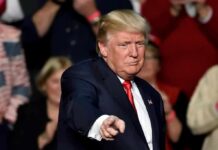
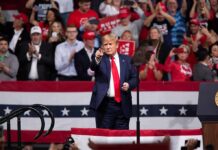
President Donald Trump signed an executive order on January 30, 2026 declaring a national emergency with respect to Cuba, invoking the International Emergency Economic Powers Act and the National Emergencies Act. The order took effect at 12:01 a.m. Eastern. The practical hook is not a traditional embargo tweak; it’s an architecture for tariffs on third-party countries that keep Cuba’s tanks filled, effectively exporting U.S. pressure into global supply chains.
That design matters because it changes the negotiating table. Instead of Washington arguing only with Havana, the U.S. now signals it may penalize other nations’ commerce if they supply oil to Cuba. That creates leverage through access to the U.S. market, a pressure point most governments and companies take seriously. The open question is how narrowly or aggressively officials apply the tool once Commerce identifies suppliers and intermediaries.
Why oil becomes the choke point in a sanctions era
Cuba’s economy runs on imported energy, and the research points to a fast-moving squeeze. Venezuela had served as a critical patron and supplier for years, then the U.S. reportedly captured Nicolás Maduro on January 3, 2026, blowing a hole in Cuba’s support system. Mexico then temporarily halted oil shipments on January 29. That sequence makes the tariff framework more than symbolism; it lands when alternatives already look scarce.
The administration’s public posture sounds like inevitability rather than negotiation. Trump described Cuba as a failing nation and said it “will not be able to survive,” avoiding the blunt phrasing of “choke off” while still framing collapse as the destination. Rubio, testifying in the Senate, said the administration would “love to see” regime change and argued it would benefit the United States if Cuba stopped being governed by an autocratic regime.
National security claims, and the ambiguity that follows them
The executive order’s justification leans heavily on national security: Cuba’s alleged alignment with U.S. adversaries such as Russia, China, and Iran, plus accusations tying the regime to militant groups like Hamas and Hezbollah. The order also cites a Russian signals intelligence facility in Cuba as a threat. That claim carries a built-in complication: the historically famous Lourdes facility near Havana reportedly closed in 2002, creating uncertainty about what current site the order references.
Conservatives usually demand two things at once: clear national security boundaries and clean facts. The administration’s broader point—that hostile intelligence collection close to U.S. shores matters—fits common sense. The weak spot is precision. When a policy tool as heavy as emergency economic powers gets justified by an intelligence claim that outside reporting treats as ambiguous, skeptics gain room to call the move political theater rather than disciplined statecraft.
The tariff-on-suppliers strategy: leverage, blowback, and incentives
The distinguishing feature here is the “internationalized embargo” effect. Traditional sanctions focus on the target country; this framework threatens costs for third parties doing business with the target, particularly in oil. That can work quickly because companies prefer predictable access to the U.S. market over risky Cuba-related margins. It also invites blowback: governments may resent Washington policing their trade, and firms may reroute through intermediaries until Commerce clarifies attribution rules.
The order directs Commerce Secretary Howard Lutnick to determine which foreign entities directly or indirectly sell goods or oil to Cuba, in consultation with State, Treasury, and Homeland Security. That language signals a hunt for both direct suppliers and middlemen. Implementation becomes the story: how the administration defines “indirect,” how often it updates lists, whether it grants waivers, and whether it uses tariffs as a bargaining chip to extract broader concessions from Cuba or from trading partners.
What this means for Cuba’s people, and for U.S. credibility
The humanitarian risk sits in the shadows of every energy squeeze. Energy shortages cascade into water systems, hospitals, food refrigeration, and basic transportation. The research correctly flags that consequences for civilians remain speculative, but the direction of travel is easy to predict when fuel dries up. A serious policy would pair pressure with clearly communicated off-ramps and monitored humanitarian allowances, both to uphold American decency and to keep allies from peeling away.
Trump has used national emergency declarations repeatedly in his second term, with dozens in effect across the U.S. system. That precedent cuts both ways. It normalizes rapid action, which many voters like when they believe institutions move too slowly. It also trains courts, Congress, and foreign capitals to treat “emergency” as a policy style rather than a true exception. Overuse can dilute legitimacy when a genuine crisis hits.
The last open loop: will this trigger negotiations or a test of wills?
The administration predicts regime collapse and frames Cuba’s survival as doubtful. Predictions don’t substitute for outcomes. Cuba can seek alternative suppliers, accept deeper dependence on adversaries, or harden domestically and blame Washington. Third-party countries now face a choice: keep oil flowing to Havana and risk U.S. tariffs, or step back and accept Cuba’s instability as the price of compliance. The next months will reveal whether the order becomes a bargaining lever or a long, grinding standoff.
Diplomacy rarely rewards vague threats; it rewards credible ones with clear conditions. If the administration wants maximum impact with minimum chaos, it will need transparent criteria for tariffs, realistic pathways for de-escalation, and a strategy that separates regime pressure from civilian punishment. If it doesn’t, the policy may still hurt Cuba, but it could also harden anti-American alliances in the region—the exact outcome the national security rationale claims to prevent.
Sources:
Trump declares national emergency over Cuba – News.az
Trump declares national emergency over Cuba, authorizes tariffs – Washington Examiner
Trump declares national emergency over Cuba – TASS
Trump authorizes tariffs on nations supplying oil to Cuba – Yeni Safak
National Emergency Authorities – Congress.gov