A rare public clash between a U.S.-born pope and a sitting American president is now testing how much moral authority can restrain wartime politics—and how quickly the culture war spreads into the pulpit.
Quick Take
- Pope Leo XIV said he has “no fear” of the Trump administration after President Trump attacked him on Truth Social over crime, foreign policy, and immigration.
- The dispute traces back to the pope’s criticism of Trump’s threats toward Iran and U.S. military actions tied to Iran and Venezuela.
- Leo has tried to separate personal animosity from policy critique, telling reporters his comments were not meant as “attacks.”
- The episode spotlights a widening political split among U.S. Catholics, with the White House and Catholic leaders signaling competing priorities.
What Triggered the Trump–Pope Leo Blowup
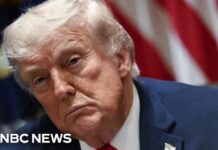
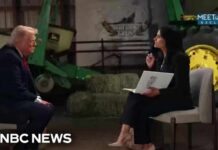
President Donald Trump’s latest fight isn’t with a governor or a foreign head of state—it’s with Pope Leo XIV, the first American pontiff, born in Chicago. Reports say Trump posted a long Truth Social message criticizing Leo as “WEAK on Crime” and “terrible for Foreign Policy,” also taking aim at immigration and even implying Trump’s presidency shaped Leo’s election. The immediate spark was Leo’s public condemnation of Trump’s threats against Iran.
Pope Leo answered with a posture of defiance and restraint: he said he has “no fear” of the Trump administration while insisting he would keep speaking loudly on matters he views as moral and humanitarian. He also pushed back on what he described as a misleading “narrative,” signaling that the Vatican believes the dispute is being framed in ways that don’t match his intent. Still, his criticism lands in the center of American political combat.
How War Rhetoric, Iran, and Venezuela Moved the Vatican Into U.S. Politics
The factual heart of the dispute is foreign policy. Leo criticized threats to destroy Iran’s “whole civilization,” calling that kind of rhetoric “truly unacceptable,” and he has objected to U.S. military moves involving Iran and Venezuela. The broader context is an America heavily engaged abroad, with the administration projecting strength while critics warn about escalation and civilian costs. Leo’s framing casts war spending and threats as moral failures that demand a change in direction.
While traveling on an Africa tour, Leo widened his message beyond Trump personally, condemning “bloodthirsty tyrants” and warning against manipulating religion for military gain. That language is likely to resonate with voters who distrust endless war and elite decision-making, but it also invites blowback from Americans who prioritize deterrence and decisive action. Leo’s insistence that his remarks were not “attacks” shows the Vatican trying to criticize policy without triggering a full diplomatic rupture.
Immigration, ICE Fears, and the Old Argument That Never Ends
Immigration remains a second major fault line. Earlier reporting tied Leo to sharp commentary on U.S. treatment of immigrants, and he has met with Catholics worried about ICE arrests during a deportation push. The White House has defended enforcement as “humane law enforcement,” reflecting the administration’s view that border control and internal enforcement are necessary for sovereignty and public safety. For many conservatives, that sovereignty argument is non-negotiable.
At the same time, Leo’s stance reflects a long-running Catholic emphasis on human dignity and pastoral care, which can collide with the realities of federal enforcement. That collision becomes political fuel when both sides treat the other as acting in bad faith. The available reporting does not show a concrete policy negotiation between Washington and the Vatican; it shows dueling public messages. That matters because modern politics increasingly runs on narrative and social media velocity, not quiet diplomacy.
Why the Fight Matters to U.S. Catholics and the 2026 Political Climate
This dispute lands inside a Republican-controlled Washington where Democrats have limited institutional power but strong incentives to amplify intraparty fractures—especially among religious voters. Analysts cited in coverage argue the pope’s stance is “getting under Trump’s skin,” and Trump has reportedly kept up criticism into the week. With Vice President JD Vance, a Catholic and a Trump ally, also part of the ecosystem around the story, the clash highlights a live question: whether religious identity will unify the right or expose divides on war and immigration.
The practical impact is less about immediate policy change and more about legitimacy. Trump commands the machinery of state, while Leo holds moral authority over a global church that includes millions of American voters. If the argument hardens into a proxy war over “America First” versus global moral leadership, it could reshape how Catholic parishes, donors, and voters talk about foreign policy and enforcement at home. What cannot be verified from the reporting is Trump’s suggestion that Leo’s election was influenced by Trump personally; that claim appears to be rhetorical, not documented.
Sources:
https://time.com/article/2026/04/13/trump-pope-leo-war-iran/
https://www.thedailybeast.com/pope-leo-xiv-trashes-bloodthirsty-tyrants-after-attacks-from-trump/