The label “most dangerous man” rarely describes a villain; it usually identifies whoever threatens the system that makes powerful people comfortable.
Story Snapshot
- Henry Kissinger reportedly tagged Daniel Ellsberg “the most dangerous man in America” after the Pentagon Papers exposed Vietnam-era deception.
- A separate, modern use of the phrase targets presidential war-making, arguing the “imperial presidency” has outgrown constitutional guardrails.
- Julian Assange earns the same kind of nickname in a different arena: the digital leak age, where secrets move faster than courts.
- The real story isn’t one man’s personality; it’s what U.S. institutions do when someone embarrasses them, restrains them, or bypasses them.
Why This Phrase Keeps Coming Back When Power Gets Cornered
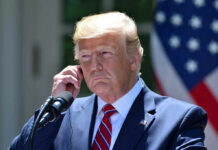
Daniel Ellsberg, Donald Trump, and Julian Assange sit in different decades and different moral categories, yet the same headline-ready phrase keeps landing on them. That repetition matters. “Most dangerous” becomes a shortcut for a deeper fear: exposure, escalation, or loss of control. When elites feel trapped, they stop arguing policy and start naming enemies. That’s the moment to pay attention, because the label often signals a looming crackdown or a constitutional stress test.
Age and experience teach a cynical lesson: institutions protect themselves first, reputations second, citizens last. That doesn’t automatically make every whistleblower a saint or every commander-in-chief a tyrant. It does mean the public should treat sweeping labels like a smoke alarm, not a verdict. A smoke alarm doesn’t tell you which room is on fire; it tells you to stop walking around pretending nothing is burning.
Ellsberg and the Pentagon Papers: A Career Insider Turns on the Lie
Ellsberg didn’t stumble into classified truth; he belonged to it. He worked as a military analyst and moved through the kind of circles where men speak in “national interest” phrases while other people’s sons do the dying. The Pentagon Papers rupture came from that insider status. The leak challenged the story Americans were told about Vietnam, and it threatened the habit Washington depends on: selling war as temporary, controlled, and honest.
Kissinger’s alleged line—calling Ellsberg “the most dangerous man in America” and insisting he must be stopped—captures how the national security state often thinks. “Danger” doesn’t always mean physical harm; it can mean political contamination. A single set of documents can discredit years of speeches, and discredited speeches end careers. From a common-sense viewpoint, the public’s right to know and the government’s duty to protect genuine operational secrets must coexist, but Vietnam showed how easily “secrecy” becomes a blanket for failure.
Assange: When the Leak Becomes a Permanent Feature of Modern Life
Julian Assange’s story sits downstream from Ellsberg’s but in a harsher media climate. The book framing him as “the most dangerous man in the world” points to what changed: leaks scaled up, digitized, and globalized. Governments can’t contain disclosure by pressuring a handful of editors anymore, because the supply chain for information now includes servers, mirrors, activists, and international politics. That makes the “danger” argument more tempting and more slippery.
Americans who value ordered liberty should feel the tension here. Transparency can expose wrongdoing, but it can also expose methods, informants, and military realities that get people killed. The right answer isn’t hero worship or demonization; it’s law that draws bright lines and gets enforced evenly. When the public watches selective outrage—cheers for leaks that hurt the other party, fury for leaks that hurt “our side”—trust collapses, and the republic becomes easy to manipulate.
The “Imperial Presidency” Argument: War Powers and the Modern Shortcut to Force
A 2026 commentary uses the phrase “most dangerous man on the planet” to argue presidential war-making has slipped its leash. The piece describes U.S. strikes on Iran, including the killing of Iran’s supreme leader and reports of civilian casualties, alongside domestic calls for impeachment and a congressional war powers vote. The research itself flags uncertainty around these claims and their verification, so treat the scenario as contested. The underlying constitutional critique, though, lands on familiar ground.
Article I, Section 8 places war powers with Congress for a reason: the Founders distrusted unilateral war as a fast track to monarchy. Conservatives who take the Constitution seriously can’t treat that as optional when their preferred president holds the pen, then rediscover it when the other team wins. If lawmakers outsource war to the executive to avoid responsibility, they shouldn’t be shocked when the executive starts acting like responsibility was outsourced permanently.
Who Actually Benefits When We Turn Politics Into a “Most Dangerous Man” Contest
Calling someone “the most dangerous” can rally a base, juice ratings, and silence nuance. It can also turn legitimate oversight into a personality brawl. If Ellsberg is the frame, the danger is government deception and endless war sold as inevitability. If Trump is the frame, the danger is unchecked force without congressional authorization and accountability. If Assange is the frame, the danger is uncontrolled disclosure with real-world collateral damage. None of those dangers disappears because a slogan wins the day.
The sober takeaway for older readers who’ve watched this cycle repeat is simple: the phrase “most dangerous man” tells you less about the man and more about the moment. It marks the instant power feels exposed or constrained and reaches for emergency language. Common sense says Americans should demand two things at once: honest limits on executive war-making and honest limits on reckless disclosure. A country that can’t hold both ideas is a country begging to be fooled.
Sources:
The Most Dangerous Man on the Planet (Globe and Mail columnist Debra Thompson, repost)
The Most Dangerous Man in America
The Most Dangerous Man in the World (TV Guide cast page)
The Most Dangerous Man in the World (Wikipedia)
The Most Dangerous Man in the World: Julian Assange and His Secret White House Deal for Freedom