Cuba just freed over 2,000 prisoners in what Havana calls a humanitarian gesture, but the timing tells a different story about how economic pressure shapes political theater in the Caribbean.
Story Snapshot
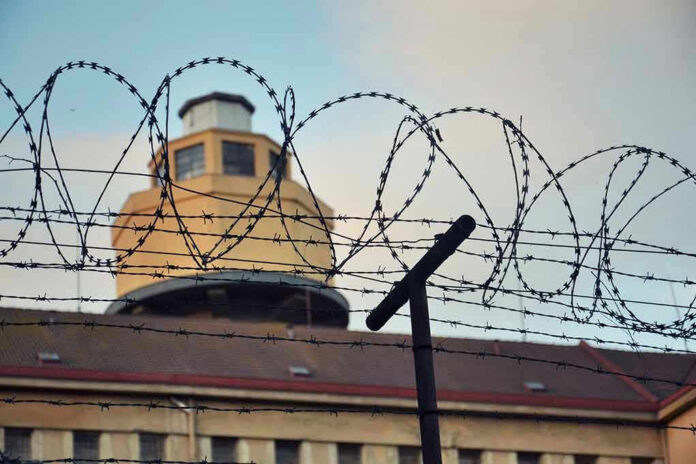
- Cuba pardoned 2,010 prisoners on April 2, 2026, citing Easter and Holy Week as motivation for the releases
- The announcement came days after President Trump eased oil blockade restrictions, allowing Russian fuel tankers to reach the island
- Pardons exclude anyone convicted of murder, sexual assault, drug crimes, theft, or offenses against state authority
- This marks the fifth mass pardon since 2011, bringing total releases to over 13,000 prisoners
- Cuba insists the decision reflects revolutionary humanitarian values while avoiding any acknowledgment of US diplomatic pressure
When Fuel Shortages Meet Easter Mercy
The Cuban presidency announced the pardons as Easter approached, framing the decision as evidence of the Revolution’s humanitarian legacy. The releases target specific categories: young offenders, women, prisoners over 60, foreigners, and Cuban citizens abroad who demonstrated good conduct, served significant portions of their sentences, or face health challenges. Yet the categories reveal what matters most. Anyone convicted of serious crimes, from murder to illegal livestock slaughter, remains locked up. Anyone who challenged state authority stays behind bars. The pardons offer mercy, but only for those whose release won’t threaten the regime’s grip on power.
Oil Politics and Prisoner Diplomacy
Trump’s administration eased the de facto oil blockade just days before Cuba’s announcement, permitting a Russian tanker to deliver desperately needed crude to the fuel-starved island. Russia promptly announced a second shipment. The timing creates an unmistakable narrative arc, even as Cuban officials refuse to draw the connection publicly. The United States has long demanded Cuba release political prisoners as a condition for diplomatic progress. Havana has long resisted admitting any linkage between external pressure and internal policy decisions. This dance preserves face for both sides while producing tangible results, a familiar pattern in Cold War era diplomacy that apparently still works.
A History of Strategic Clemency
Cuba has released prisoners during Holy Week four times since 2011, freeing more than 11,000 people through these periodic gestures. Weeks before the latest announcement, the government pledged to free 51 prisoners as goodwill toward the Vatican, demonstrating how religious diplomacy provides convenient cover for politically motivated releases. The pattern suggests these pardons serve multiple purposes simultaneously: reducing prison populations, projecting humanitarian values internationally, and creating opportunities for backdoor negotiations. The communist state maintains atheist revolutionary credentials while strategically leveraging Catholic observances when diplomatic circumstances align with domestic policy goals.
What the Numbers Don’t Reveal
Cuba disclosed neither the identities of those pardoned nor how many qualify as political prisoners, the category most interesting to Washington. The government emphasized conduct, sentence completion, and health status as determining factors, alongside crime severity. The 2,010 figure sounds precise, but it obscures more than it reveals about who actually walks free and why. Families of the pardoned will reunite, particularly those with elderly or female relatives serving time for non-violent offenses. Yet the absence of transparency around political detainees leaves the core US demand unaddressed, at least publicly. Cuba gets credit for mass clemency while maintaining maximum flexibility about who benefits.
Sovereignty Versus Submission
The fundamental tension emerges from how each side frames the transaction. Cuba insists the pardons reflect sovereign humanitarian decision-making rooted in revolutionary values and religious tradition. The United States can claim its economic pressure and diplomatic demands produced results, pointing to the timing as evidence. Russia demonstrates its value as an ally by breaking the blockade and supplying lifeline fuel shipments. The Vatican receives acknowledgment for its moral influence. Everyone declares victory because the situation was structured to permit multiple interpretations. This calculated ambiguity allows authoritarian governments to make concessions while denying they’ve made concessions, preserving domestic legitimacy while pursuing international objectives.
Sources:
Cuba pardons 2010 prisoners amid United States pressure – NZ Herald
Cuba pardons over 2,000 prisoners amid US pressure – Le Monde
Cuba pardons 2,010 people as the US pressures the island’s government – WRAL