Bipartisan congressional scrutiny of the Jeffrey Epstein case has reignited public outrage over government transparency, as William Barr’s testimony rebuffs Democrat-driven attempts to implicate President Trump and exposes the deep mistrust surrounding elite accountability.
Story Snapshot
- William Barr, former Attorney General, testifies before House Oversight Committee as first witness in Epstein investigation.
- Committee subpoenas target a broad range of former officials, reflecting bipartisan urgency for transparency.
- Barr states he saw no evidence implicating President Trump in Epstein’s affairs, pushing back on persistent conspiracy narratives.
- The probe underscores ongoing public frustration with unaccountable elites and unresolved questions about Epstein’s death.
Closed-Door Testimony Launches New Round of Oversight
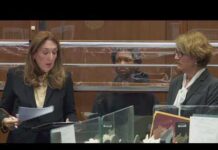
On August 18, 2025, former Attorney General William Barr appeared for a closed-door deposition before the House Oversight Committee, marking the opening salvo in a sweeping congressional investigation into the federal government’s handling of the Jeffrey Epstein case. As the first official witness, Barr faced pointed questions about his actions and knowledge during Epstein’s incarceration and subsequent death in federal custody. The bipartisan Committee, chaired by James Comer, aims to force unprecedented transparency after years of speculation and frustration among the American public.
The Committee’s actions reflect deep public skepticism about past government conduct, especially regarding high-profile scandals where powerful figures seem to escape scrutiny. In this case, subpoenas have been issued not only to Barr, but also to prominent officials from both parties, including Bill and Hillary Clinton, former FBI Directors, and several former Attorneys General. Such broad targeting signals serious intent to examine institutional failures and address the perception of a two-tiered justice system. The Committee’s leadership has emphasized a mission to restore trust in federal oversight, amid calls for answers from both conservative citizens and victims’ advocates.
Barr Rebuts Conspiracy Claims, Denies Evidence Against Trump
During his deposition, Barr reiterated his view that Epstein’s death was a suicide, maintaining that he saw no credible evidence of a so-called “client list” or any information that would implicate President Trump. Committee Chair Comer publicly praised Barr’s cooperation and transparency, contrasting it with partisan attempts to revive baseless accusations. Barr’s testimony directly challenged years of media-driven conspiracy theories and partisan speculation that sought to tie Trump to Epstein’s criminal network, affirming that no such evidence surfaced during his tenure as Attorney General. This assertion aligns with the findings of multiple independent reports, despite ongoing debate about the adequacy of federal oversight at the time.
The Department of Justice, meanwhile, has agreed to begin producing Epstein-related records to the Committee, though officials admit it may take time to deliver the full volume of documents. This incremental cooperation is seen as a test case for broader congressional oversight of federal law enforcement, with significant implications for transparency and accountability standards moving forward. The Committee’s investigation is still in its early stages, and further subpoenas and document reviews are expected in the coming weeks.
Public Mistrust, Institutional Failures, and Calls for Accountability
For many Americans, the Epstein saga encapsulates years of frustration with unaccountable elites, government secrecy, and perceived erosion of foundational values such as equal justice under law. Epstein’s 2019 death, coming after a controversial plea deal and while he was supposedly under federal protection, fueled widespread suspicion of a cover-up and invigorated demands for answers. Barr’s personal intervention in the original investigation—and subsequent independent findings—did little to quell public doubt, as the official narrative of suicide has been contested both by a private autopsy and by persistent media scrutiny.
Expert analysis underscores the unusual nature of Barr’s hands-on involvement, with legal commentators noting how rarely an Attorney General intervenes so directly in the case of an inmate’s death. Forensic experts remain divided over the cause of Epstein’s demise, and the Committee’s review of DOJ records and testimony from a roster of high-profile witnesses is likely to keep the issue in the headlines. While some Democratic Committee members express skepticism about discovering new information, Republican members and many in the public demand full transparency and insist that the era of elite impunity must end.
Broader Implications: Oversight, Trust, and the Rule of Law
The current investigation is more than a search for answers about Epstein—it is a referendum on the credibility of U.S. institutions and the need for rigorous oversight. Short term, the probe has increased scrutiny of the DOJ and former officials, with possible new revelations as documents are released and testimonies continue. Long term, the outcome could shape future congressional oversight practices, set precedents for transparency in high-profile cases, and influence policy reforms regarding inmate detention and federal law enforcement accountability. For a conservative audience frustrated by years of government overreach and political double standards, the Committee’s aggressive pursuit of the truth stands as a necessary check on entrenched power and a reaffirmation of constitutional values.
Well, there goes that narrative. What will the Wile E. Coyote Party come up with next? 🤣😂😆 Bill Barr testifies he didn't see info that would 'implicate' Trump in Epstein case, Comer says https://t.co/PoqLx68IEK
— Bob Edmunds (@kingfirpo58) August 19, 2025
Yet, as the investigation proceeds, the challenge remains to cut through political noise and focus on facts. The Committee’s work—and Barr’s testimony—offer a chance to rebuild public trust, provided the process resists partisan manipulation and remains grounded in evidence. Whatever the final findings, this moment signals a renewed commitment to transparency and accountability that many Americans view as long overdue.
Sources:
Former AG William Barr sits for deposition in House Oversight’s Epstein probe
Jeffrey Epstein: William Barr testifies before Congress in closed-door deposition
House Oversight Committee Press Releases