A deadly flesh-eating bacteria outbreak linked to contaminated oysters has killed at least two Americans and infected dozens more, exposing dangerous gaps in food safety oversight that put families at risk.
Story Highlights
- Two deaths directly linked to Louisiana oysters contaminated with Vibrio vulnificus bacteria
- Dozens of infections reported across Louisiana and Florida, with 11 total deaths in 2025
- Mortality rate reaches 20% for this flesh-eating bacterium found in warm coastal waters
- 2025 outbreak significantly exceeds Louisiana’s historical average of seven cases and one death annually
Fatal Outbreak Spreads Across Gulf States
Louisiana-harvested oysters contaminated with Vibrio vulnificus have caused two confirmed deaths and dozens of infections across multiple states, with Louisiana and Florida bearing the heaviest burden. Health officials report that both fatal cases consumed the contaminated shellfish at restaurants, highlighting vulnerabilities in the food supply chain that directly threaten American families. The outbreak has prompted urgent public health warnings as cases continue mounting throughout the summer months.
The Louisiana Department of Health issued its first public advisory on July 31, 2025, after tracking a surge in severe infections beginning in early summer. By late August, media coverage intensified as the scope of the crisis became clear, with health departments confirming that 2025 case numbers far exceed historical norms for this dangerous pathogen.
Deadly Bacterium Thrives in Warmer Waters
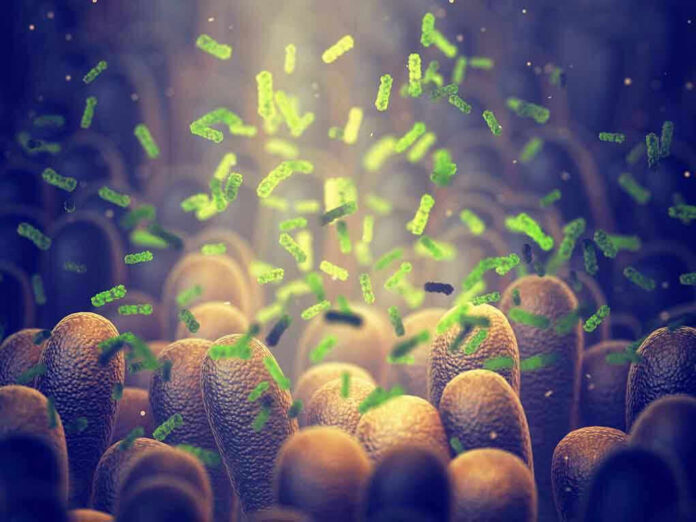
Vibrio vulnificus naturally occurs in warm coastal waters, particularly between May and October when rising temperatures create ideal breeding conditions. The bacterium infects humans through consumption of contaminated seafood, especially raw oysters, or when open wounds contact infected seawater. Dr. Andrew Handel, a pediatric infectious diseases specialist, emphasizes the severity of these infections, which can rapidly progress to life-threatening complications including necrotizing fasciitis, commonly known as flesh-eating disease.
The Gulf Coast’s warm, brackish waters provide perfect conditions for both oyster farming and bacterial proliferation. Louisiana historically averages seven Vibrio vulnificus cases and one death annually over the past decade, making the 2025 outbreak’s scale particularly alarming for public health officials monitoring the situation.
Economic Impact Threatens Seafood Industry
The outbreak poses significant economic risks to Gulf Coast oyster harvesters, distributors, and restaurants as consumer confidence wavers amid safety concerns. Louisiana and Florida serve as major oyster sources for the United States, making interstate food safety coordination critical for containing the crisis. The seafood industry faces potential regulatory changes and decreased demand as health departments continue investigating contamination sources.
Healthcare systems in affected states are managing severe infections requiring intensive treatment, while state health departments coordinate response efforts with federal agencies. The CDC provides national surveillance and guidance, but the multi-state nature of this outbreak demonstrates the challenges of protecting Americans from contaminated food products crossing state lines without proper oversight.
Sources:
Contaminated oysters spread fatal flesh-eating bacteria in two states – Fox News Health
Vibrio vulnificus 2025 – Louisiana Department of Health
Vibrio vulnificus – Florida Department of Health