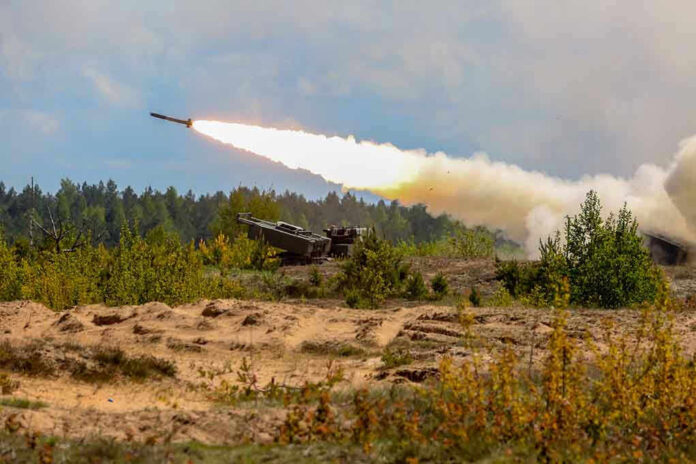
Thailand launched air strikes against Cambodia on Monday, marking a dangerous escalation in Southeast Asian border tensions that threatens regional stability and U.S. strategic interests in countering Chinese influence.
Story Snapshot
- Thai air strikes target Cambodian positions along disputed border territory
- Five casualties confirmed: four Cambodian civilians and one Thai soldier killed
- Both nations trade blame for initiating renewed military confrontation
- Border dispute threatens U.S. regional partnerships against Chinese expansion
Military Escalation Crosses Critical Line
Thailand’s decision to deploy air power against Cambodian targets represents a significant military escalation in the longstanding border dispute between the two Southeast Asian nations. The air strikes occurred Monday along the contested frontier, demonstrating how quickly territorial disagreements can spiral into active warfare. This military action crosses traditional boundaries of diplomatic conflict resolution, raising serious concerns about regional stability in an area where American interests compete directly with expanding Chinese influence.
Civilian Casualties Mount Amid Military Exchange
The human cost of this border conflict has become tragically apparent with confirmed deaths on both sides of the fighting. Four Cambodian civilians lost their lives during the military exchange, highlighting the dangerous proximity of populated areas to the disputed territory. One Thai soldier was also killed in the confrontation, indicating that both nations have suffered military losses. These casualties underscore the serious nature of the dispute and the potential for further escalation if diplomatic solutions are not pursued immediately.
Blame Game Complicates Resolution Efforts
Both Thailand and Cambodia are actively blaming each other for initiating the renewed fighting, a pattern that typically hinders effective conflict resolution. This mutual finger-pointing creates diplomatic obstacles that benefit adversaries like China, which seeks to exploit regional divisions for strategic advantage. The lack of clear accountability makes it difficult for international mediators, including potential American diplomatic efforts, to establish a foundation for peaceful negotiations. Such disputes historically provide opportunities for hostile foreign powers to increase their influence through arms sales or diplomatic intervention.
Regional Stability Faces Growing Threats
The Thailand-Cambodia border conflict adds another layer of instability to a region already facing multiple security challenges, including Chinese territorial aggression in the South China Sea. American strategic interests depend heavily on maintaining stable partnerships with both nations to counter Beijing’s growing military presence and economic influence. Regional conflicts like this one can weaken collective security arrangements and provide China with opportunities to position itself as a mediator, ultimately strengthening its regional dominance at America’s expense.
Sources:
Thai air strikes target Cambodian positions along disputed border territory