Trump’s administration has just secured a $221 million settlement with Columbia University, igniting a debate that could redefine higher education in America.
At a Glance
- Columbia University settles for $221 million over allegations of anti-Semitism.
- The settlement is part of a broader federal campaign targeting civil rights compliance in universities.
- Columbia agrees to end DEI policies and comply with federal oversight.
- This marks a significant precedent for federal intervention in higher education.
Trump’s Landmark Settlement with Columbia University
President Donald Trump has announced a groundbreaking $221 million settlement with Columbia University, resolving federal allegations of anti-Semitism and discrimination against Jewish students. The settlement is a major victory for the Trump administration, which has prioritized civil rights and campus safety in higher education. Columbia’s agreement to end its diversity, equity, and inclusion (DEI) policies and submit to federal monitoring sets a precedent for similar actions against other universities.
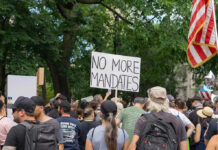
The settlement stems from a series of high-profile campus protests that escalated in 2024 and 2025. These protests, particularly pro-Palestinian demonstrations, led to allegations that Columbia failed to protect Jewish students from harassment and discrimination. The federal government pulled funding from Columbia, intensifying pressure on the university to negotiate a settlement. This move was part of a broader campaign by the administration to enforce civil rights laws in higher education.
Implications for Higher Education
The implications of this settlement are far-reaching. Columbia University has agreed to pay the $221 million in three installments over the next three years. In addition to ending its DEI policies, the university will comply with laws banning race considerations in admissions and hiring. Columbia will also provide information about foreign students to immigration authorities and submit to federal oversight to ensure compliance. These measures aim to restore federal funding and address campus safety concerns, but they also highlight the tension between university autonomy and federal mandates.
Trump’s administration has made it clear that this is just the beginning. The President has vowed to take further action against other universities, emphasizing the need to protect civil rights and ensure campus safety. Columbia’s leadership acknowledged the need for reform but did not admit wrongdoing, stating that incidents of harassment and discrimination were “painful and unacceptable.” This settlement signals a shift in how universities may need to approach DEI and admissions policies moving forward.
Reactions and Consequences
The settlement has sparked a national debate over free speech, discrimination, and the role of universities in promoting diversity and inclusion. On one hand, supporters of the administration’s actions view the settlement as a necessary correction to protect vulnerable students and uphold merit-based standards. On the other hand, critics argue that the measures could suppress legitimate protest and undermine diversity efforts.
Pro-Palestinian activists, who were a catalyst for the federal intervention, now face disciplinary consequences and increased scrutiny. Columbia University has suspended and expelled 70 students involved in the protests. Meanwhile, Jewish students and faculty may experience improved campus safety and support as a result of the settlement. The settlement also underscores the strengthening of federal authority over higher education policy, especially concerning DEI and civil rights compliance.
Broader Implications for Universities
The Columbia settlement is likely to have a chilling effect on campus activism and DEI initiatives nationwide. Other universities may face similar investigations and settlements, leading to increased federal oversight and potential changes in university governance. This development raises important questions about the balance between promoting diversity and ensuring compliance with federal civil rights laws.
Legal scholars, civil rights advocates, and university policy experts are closely watching the situation. While some praise the enforcement of anti-discrimination laws, others warn of overreach and threats to academic freedom. The settlement, confirmed by both mainstream media and official White House communications, marks a significant escalation in federal oversight of higher education, with potential implications for universities across the country.