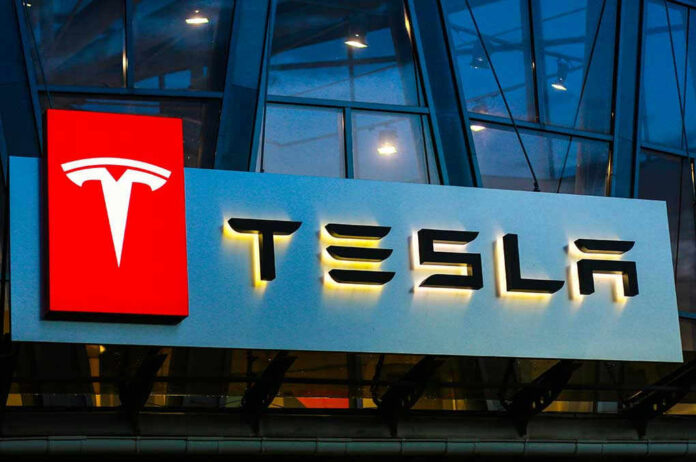
Tesla’s latest recall of nearly 13,000 new vehicles exposes critical safety risks in the electric vehicle industry—while raising tough questions about global supply chains and the real cost of unchecked rapid innovation.
Story Snapshot
- Nearly 13,000 Tesla Model 3 and Model Y vehicles recalled due to a battery defect that can suddenly cause loss of power and increase crash risk.
- The faulty component, supplied by international manufacturers, highlights ongoing concerns about global supply chain reliability and oversight.
- Although no injuries or fatalities have been reported, the situation puts renewed focus on EV safety standards and regulatory scrutiny.
- Tesla’s recall process reveals both proactive action and persistent quality control challenges.
Recall Targets New Tesla Models After Battery Safety Failure
On October 3, 2025, Tesla voluntarily recalled 12,963 vehicles—spanning the 2025 Model 3 and 2026 Model Y—after discovering a critical battery defect that could trigger sudden loss of propulsion while driving. The recall, announced following weeks of internal investigations and field reports, involves a faulty battery pack contactor equipped with an InTiCa solenoid. Defective coil termination connections allow the contactor to open unexpectedly, instantly cutting power and raising the risk of accidents for unsuspecting drivers. This safety risk is especially concerning for American families relying on vehicle reliability and transparency from automakers.
Production of the affected vehicles occurred between March and August 2025, with Tesla’s Field Reliability team launching its investigation in early August after a series of incident reports. Analysis traced the root cause to international suppliers—InTiCa from Mexico and SongChuan from Taiwan—whose components failed to meet the required standards. This episode highlights the ongoing risk of relying on foreign-made parts in critical systems, a concern that has followed the broader shift toward globalized supply chains. Conservative critics have long warned that outsourcing essential manufacturing can erode quality and undermine American safety and values, especially when foreign suppliers are not held accountable.
No Injuries, but Systemic Oversight Issues Persist
As of October 7, 2025, no injuries, fatalities, or crashes related to the defect have been reported. Tesla’s recall is proactive, with service centers preparing to replace the compromised contactors at no cost to owners, and official notifications to owners scheduled for December 9, 2025. While Tesla’s swift action is commendable, the defect’s discovery—after 36 warranty claims and 26 field reports—underscores the challenge of maintaining rigorous oversight in a rapidly evolving industry. The recall affects about 1% of the vehicles produced during the window, but even this small percentage exposes thousands of American families to unnecessary risk. These lapses raise questions about the adequacy of current regulatory oversight and whether agencies like NHTSA are equipped to keep pace with the complexities of new technologies and globalized manufacturing.
EV recalls have become increasingly common, with Tesla and other manufacturers grappling with hardware and software flaws that can lead to power loss or fire hazards. This trend undermines public confidence in electric vehicles and feeds skepticism about the relentless push for rapid innovation at the expense of tried-and-true safety standards. Proactive recalls are preferable to reactive crisis management, but American consumers deserve better than to be guinea pigs for untested technology and foreign-sourced parts.
Accountability, Transparency, and the American Consumer
Tesla’s recall process involves both U.S. and international suppliers, raising the stakes for quality control and accountability across borders. The company’s reputation for innovation is now balanced against growing concerns about its ability to guarantee safety and reliability. The National Highway Traffic Safety Administration (NHTSA) has published detailed recall notices and is overseeing compliance, but this case underscores the pressing need for stronger regulatory frameworks and robust supplier vetting. As the recall process unfolds, dealers have already been notified, and service centers nationwide are preparing to handle a surge in recall-related repairs. Owners of affected vehicles face inconvenience and potential anxiety until their cars are fixed—a reminder that American families are often left bearing the brunt of corporate missteps and government gaps in oversight.
Tesla recalls thousands of vehicles over battery defect that increases crash risk https://t.co/mdtdg2qDNw
— FOX Business (@FoxBusiness) October 22, 2025
In the long run, Tesla could face reputational damage and increased regulatory scrutiny, potentially affecting its stock price and investor confidence. The incident also sets a precedent for more rigorous industry-wide safety practices and supplier standards—critical steps if the U.S. is to maintain its leadership in automotive safety and innovation. For conservatives who value American-made quality, individual liberty, and government that protects rather than overreaches, this recall is a wake-up call: American safety and family values must not be sacrificed for the sake of unchecked globalism or the next big tech trend.
Sources:
Tesla recalls thousands of vehicles over battery defect that increases crash risk
Tesla recalls recent Model 3 and Y over battery pack defect
NHTSA Part 573 Safety Recall Report 25V690
Tesla recall loss of power solenoid fault news
Tesla Model 3 & Model Y Power Loss Recall