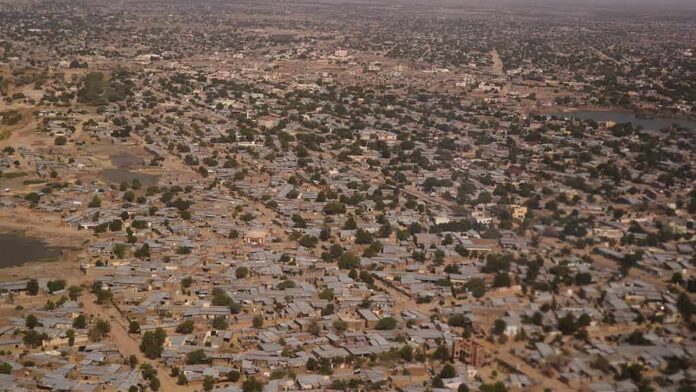
While Washington burns trillions at home, a quarter of Somalia’s people are sliding toward hunger and disease because the world’s aid system is running out of money and time.
Story Snapshot
- Somalia is again in a national-scale drought and hunger emergency, with millions facing severe food insecurity and malnutrition.
- Global funding cuts mean United Nations plans are only a fraction funded, forcing agencies to slash food, water, and health services.
- Aid groups say they now reach only a small share of those in need, while some clinics and support centers have already shut down.
- Supply chain disruptions and conflict add to the crisis, exposing how fragile and politicized the world’s humanitarian safety net has become.
Somalia’s Hunger Emergency by the Numbers
United Nations reporting estimates that by early 2026, 6.5 million people in Somalia are facing high levels of hunger and more than 1.8 million children suffer acute malnutrition, after multiple failed rainy seasons devastated crops and livestock.[3] The World Food Programme (WFP) warns that roughly a quarter of Somalia’s population, about 4.4 million people, are at crisis-level food insecurity or worse.[4] These figures vary by agency and method, but together they point to a nationwide emergency, not an isolated local shortage.[3][4]
European Union humanitarian officials say 4.8 million Somalis are in “extreme need” of urgent life-saving assistance and protection in 2026, with half the population lacking reliable access to water and many lacking adequate shelter.[3] Aid agencies describe a steep deterioration after the failure of the 2025 Deyr rainy season, which dried up water sources and slashed crop production, leaving pastoralists without livestock and agro-pastoral communities with failed harvests.[2][3] These shocks are driving displacement and deepening poverty across the country.[2][3]
Why Aid Is Shrinking Just as Needs Explode
The 2026 Humanitarian Needs and Response Plan for Somalia requires about €850 million to meet priority needs, but global funding has fallen far short of that target.[3][5] Doctors Without Borders reports that a separate United Nations response plan, designed to reach six million people, has received only about 20 percent of its required funding, forcing a 75 percent cut in planned aid recipients down to roughly 1.3 million.[5] This reduction does not reflect less need; it reflects donors stepping back as crises multiply elsewhere.[3][5]
The World Food Programme says it urgently needs 95 million dollars just to maintain emergency food and nutrition support between March and August, and without that it may halt assistance entirely.[4] Funding gaps have already pushed WFP to cut the number of Somalis receiving emergency food from 2.2 million early last year to just over 600,000 today.[4] United Nations officials warn that humanitarian agencies now face “impossible choices,” deciding which hungry families get help and which are left with nothing.[4]
On-the-Ground Consequences: Closed Clinics and Empty Pots
United Nations field updates describe a dramatic contraction of health services in some hard-hit regions: in Puntland, the number of functioning health centers reportedly fell from 12 to just three within a year. That drop leaves communities without basic care or malnutrition treatment, even as disease risk and hunger climb together. In displacement camps, a sub-camp leader told one reporter that hardship is “severe” and many families are “going day to day without food to cook.”[4] Those individual accounts match the national indicators of deepening crisis.[3][4]
Doctors Without Borders staff and other humanitarian workers report overwhelmed nutrition centers and rising admissions of severely malnourished children.[5] They emphasize that no single organization can fill the widening gap left by donor cuts and program closures.[5] When clinics shut down and food distributions become sporadic, people do what any of us would do: sell off remaining assets, pull children from school, or move in search of help, often ending up in overcrowded camps where services are already stretched thin.[2][4][5]
Global Shipping, Conflict, and the Politics of Neglect
United Nations reporting notes that containers carrying therapeutic food to Somalia arrived 40 days late because of wider disruptions in global shipping, slowing the pipeline for lifesaving supplies. Protracted conflict and insecurity inside Somalia further restrict movement of people and goods, complicating aid delivery and raising costs.[3] These conditions mean that even when funds exist, getting food, medicine, and water to remote communities is slower, riskier, and more expensive than donors sitting in capital cities often acknowledge.[3]
Four consecutive failed rainy seasons have driven a severe drought emergency across Somalia. Over 6.5 million people face high levels of acute food insecurity.
The withdrawal of aid at this moment is not inevitable. It is a choice, and it is costing lives. pic.twitter.com/FCI2R1Jwfd
— Doctors Without Borders (MSF) in Asia Pacific (@MSF_APAC) May 14, 2026
For Americans on both the right and the left, this crisis exposes a deeper pattern. Western governments that struggle to manage their own borders, curb inflation, or provide affordable energy are also presiding over a global aid system that buckles whenever a new war or shock appears. Somalia’s drought is driven by weather and conflict, but the scale of suffering now is inseparable from political choices in Washington, Brussels, and other capitals that have allowed humanitarian funding to crumble even as overall spending continues to soar.[3][5]
What Somalia’s Crisis Says About a Fragile World System
Somalia shows what happens when a nation already battered by decades of conflict and weak governance meets a more chaotic global order. Donor fatigue, competing wars, and supply-chain breakdowns turn predictable climate shocks into preventable catastrophes.[2][3] Aid agencies admit their data are imperfect and heavily based on their own reporting, leaving critics room to question the numbers, but almost every independent assessment points in the same direction: needs are rising, while the safety net that is supposed to catch the most vulnerable is thinning fast.[3][5]
For citizens who fear that powerful elites talk about “rules-based order” while failing basic moral tests, Somalia’s drought is another warning light on the dashboard. A government that cannot prioritize secure borders, honest budgets, or transparent aid at home is unlikely to demand accountability abroad. Whether one leans conservative or liberal, the lesson is similar: if we accept unaccountable, short-term thinking in Washington, we should not be surprised when the world’s poorest people pay the highest price when the next crisis hits.[3][5]
Sources:
[2] Web – Hunger Relief in Somalia
[3] Web – Somalia Hunger Crisis – CARE
[4] Web – Millions facing hunger and water crisis in Somalia as world focuses …
[5] YouTube – Millions in Somalia face starvation as drought, conflict, and aid cuts …