San Francisco’s iconic cable car system turned from tourist delight to emergency scene when a mechanical failure sent fifteen passengers to the hospital in a single, terrifying moment.
Story Snapshot
- Fifteen people injured when San Francisco cable car came to sudden, screeching halt
- Multiple ambulances responded to mass-casualty incident on historic transit line
- Latest safety failure follows pattern of cable car accidents and regulatory violations dating back over a decade
- Incident highlights ongoing concerns about maintaining 150-year-old manually operated transit system
When History Meets Emergency Medicine
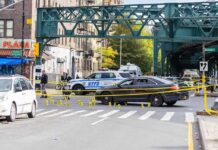
The world’s last manually operated cable car system proved once again that nostalgia comes with a price. Emergency responders flooded the scene as passengers who moments earlier were enjoying San Francisco’s most famous tourist attraction found themselves thrown about like rag dolls when their cable car ground to an abrupt halt. The images tell the story: ambulances lined up, yellow tape blocking access, and another black eye for a transit system already struggling with public confidence.
What makes this incident particularly concerning is the sheer number of victims from a single car. Most cable car accidents involve one or two people, often pedestrians or passengers boarding and exiting. When fifteen people get hurt simultaneously, it points to a catastrophic mechanical failure that the San Francisco Municipal Transportation Agency cannot easily dismiss as an isolated incident.
A Pattern Written in Regulatory Fines
This latest accident follows a troubling trajectory that should alarm anyone who values accountability in public transportation. The California Public Utilities Commission slammed SFMTA with a $150,000 fine in 2013 for safety violations, citing seven reportable cable car accidents between 2008 and 2011. These weren’t minor fender-benders but serious incidents involving cars rolling backward and braking systems failing on San Francisco’s notoriously steep hills.
The 2015 Nob Hill accident that injured seven people after a grip mechanism failed serves as an eerie preview of this week’s events. When the fundamental safety systems of a manually operated transit line repeatedly malfunction, it raises questions about whether SFMTA has learned anything from past regulatory scrutiny. The agency’s history of under-reporting incidents, as documented by state regulators, makes it even harder to trust their initial assessments of what went wrong.
The True Cost of Maintaining Living History
Cable cars are not just transportation; they are San Francisco’s moving monuments, designated National Historic Landmarks that date back to the 1870s. But preserving history becomes problematic when it means relying on manual braking systems and hand-operated grip mechanisms to safely transport passengers down grades that would challenge modern vehicles. The romantic notion of conductors manually controlling these cars loses its charm when fifteen people end up in hospitals.
The inherent risks of operating vintage equipment in a modern urban environment create an impossible balancing act. Tourism officials and preservation advocates rightly point to cable cars as safe when properly maintained, but “properly maintained” becomes a moving target when dealing with technology that predates modern safety standards. The question becomes whether San Francisco can afford to keep treating safety violations as acceptable costs of maintaining its historic character.
Political Accountability in Motion
Mayor and Board of Supervisors members who oversee SFMTA’s budget and leadership appointments now face uncomfortable questions about their priorities. Every cable car accident becomes a referendum on whether city leaders are more committed to tourist revenue than passenger safety. The political calculus is straightforward: continued safety failures will eventually cost more in legal settlements and damaged reputation than investing in proper maintenance and oversight would have cost upfront.
The timing of this incident couldn’t be worse for SFMTA, which already struggles with public confidence across its entire transit network. When the agency responsible for moving hundreds of thousands of people daily cannot prevent fifteen injuries on a single cable car, it reinforces every criticism about government competence and accountability. Citizens and tourists alike deserve better than a transit system that treats recurring safety failures as the price of doing business in San Francisco.