The Afghanistan withdrawal was not just a military maneuver; it was a political earthquake that should have seen Biden bow out, according to a former official.
At a Glance
- The rapid withdrawal from Afghanistan led to the Taliban’s swift takeover.
- Former Biden official Anthony Coley argues that the withdrawal should have been Biden’s exit point.
- The chaotic evacuation mirrored the U.S. withdrawal from Vietnam in 1975.
- The Afghanistan withdrawal remains a pivotal event in U.S. political and foreign policy debates.
The Fallout from Afghanistan’s Withdrawal
The U.S. war in Afghanistan, which began in 2001, was initiated to dismantle al-Qaeda and remove the Taliban from power. Over two decades later, the conflict had become a costly stalemate. In February 2020, the Trump administration signed a deal with the Taliban to withdraw all U.S. troops by May 1, 2021. The Biden administration inherited this agreement, setting a new deadline for August 31, 2021. The rapid withdrawal led to the Taliban’s swift takeover, culminating in the fall of Kabul on August 15, 2021.
The evacuation from Kabul was a scene of chaos, with thousands of Afghans and foreign nationals desperately seeking to flee. This event drew comparisons to the U.S. withdrawal from Vietnam in 1975, particularly the chaotic evacuation from Saigon. The execution was widely criticized, and the humanitarian crisis that followed became a defining moment for the Biden presidency.
Should Biden Have Bowed Out?
Anthony Coley, a former Biden official, has publicly argued that the Afghanistan withdrawal should have been Biden’s exit point. Coley’s critique reflects internal debates about the administration’s handling of the crisis and its political fallout. The withdrawal marked a turning point in Biden’s presidency, and Coley suggests that it irreparably damaged his political capital.
Biden’s decision to defend the withdrawal as necessary, despite the chaos involved, has been met with mixed reactions. Critics argue that Biden should have taken responsibility and considered resigning or not seeking re-election in the aftermath. Supporters, however, maintain that ending the war was the right decision, even if the execution was flawed.
The Political and Humanitarian Repercussions
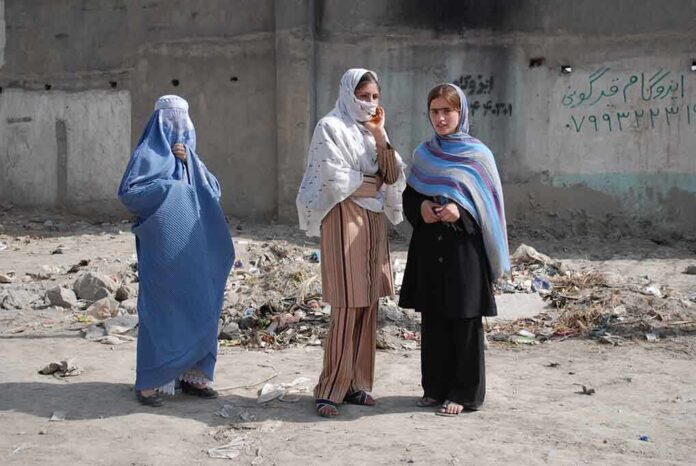
The short-term impacts included a humanitarian crisis and a significant drop in U.S. credibility among allies. Politically, the backlash against Biden was severe, contributing to his declining approval ratings. In the long term, Afghanistan remains under Taliban rule, with a rollback of women’s rights and regional instability.
The withdrawal’s repercussions are still felt today, as the U.S. has no diplomatic presence in Afghanistan, and the Taliban’s control persists. The event continues to be scrutinized in political and historical analyses, shaping U.S. foreign policy debates and serving as a case study in the limits of nation-building.
Expert Opinions and Analysis
Many foreign policy experts argue that while the withdrawal was inevitable, it was poorly executed due to intelligence failures and a lack of contingency planning. The rapid collapse of the Afghan government was underestimated by both U.S. and allied intelligence. Scholars compare the withdrawal to previous U.S. military exits, highlighting recurring patterns of overreliance on local partners and misjudged timelines.
Critics from the political left and right have voiced concerns about the withdrawal’s execution. However, supporters of the decision argue that the U.S. needed to end its involvement in Afghanistan to focus on more pressing global issues. The Afghanistan withdrawal remains a pivotal event, shaping the Biden presidency and U.S. foreign policy debates.