As campuses nationwide remain on edge, a calculated hoax at Villanova University triggered a full-scale lockdown, exposing vulnerabilities in emergency protocols and heightening fears about threats—real or fabricated—that disrupt American life and erode trust in public safety measures.
Story Snapshot
- A false active shooter report during Villanova’s move-in day caused a campus-wide lockdown and massive police response.
- No shooter, injuries, or firearms were found; the incident was confirmed as a hoax, with a criminal investigation underway.
- Students, families, and staff faced significant trauma and disruption, highlighting the dangers of “swatting” attacks on U.S. institutions.
- The event raises critical questions about crisis readiness, law enforcement resources, and the psychological toll of hoaxes in an era of heightened security concerns.
False Shooter Report Paralyzes Campus During Key Transition
On August 21, 2025, Villanova University, a private Catholic institution near Philadelphia, became the scene of a massive emergency response after police received reports of an active shooter as new students moved into campus housing. The university quickly issued a shelter-in-place order, instructing students and staff to avoid Scarpa Hall and barricade themselves indoors. This all unfolded during the busy orientation period, with thousands of students and their families present for move-in and an orientation Mass, amplifying the disruption and anxiety experienced by the campus community.
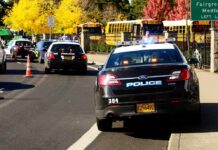
Law enforcement officials—including Radnor Township police, the FBI, and local responders—conducted a thorough search of the university grounds. Despite the scale of the deployment and the severity of the warnings, their search revealed no evidence of an active shooter, no injuries, and no firearms anywhere on campus. Later that evening, Villanova President Rev. Peter M. Donohue issued a statement declaring the entire incident a “cruel hoax.” He assured the public that everyone was safe, but acknowledged the emotional distress and trauma caused to those caught in the lockdown and the intense law enforcement response that followed.
Hoax Highlights Dangers of ‘Swatting’ and Exposes Systemic Risks
The Villanova incident is the latest in a troubling national trend of “swatting”—deliberate false reports of emergencies, often targeting schools or public gatherings. These hoaxes force law enforcement to mobilize at great cost, disrupt community life, and create widespread panic. Past swatting incidents have resulted in lockdowns, canceled events, and, in some tragic cases, injuries or worse due to mistaken identity or confusion during the response. Although Villanova had not previously faced a major shooter hoax, the event underscores how such tactics can exploit security fears and overwhelm emergency systems, especially during periods of heightened vulnerability like student move-in days.
For law enforcement, the hoax represented a significant drain on resources and operational focus. Agencies treated the report with utmost seriousness, reflecting the need to be prepared for real threats. However, this also means that resources are diverted from genuine emergencies, and repeated false alarms risk creating “alarm fatigue”—a scenario in which future warnings may not be taken as seriously, potentially endangering lives. The criminal investigation launched by the Delaware County District Attorney and the FBI aims to hold those responsible accountable and deter similar disruptions in the future, as officials emphasize that such hoaxes are not harmless pranks but serious crimes with far-reaching consequences.
Campus Safety, Community Trust, and the Broader Security Debate
For students, families, and staff, the emotional toll of the lockdown was immediate and profound. Many students, especially freshmen and their parents, experienced intense fear, uncertainty, and confusion during what should have been a moment of excitement and transition. University officials responded with rapid, transparent communication, but the psychological impact remains. The event has prompted renewed scrutiny of campus emergency protocols, communication systems, and crisis management practices—both at Villanova and across higher education. As institutions review their readiness, there is increasing pressure to balance vigilance with the risk of overreaction and to address the mental health needs of those affected by such traumatic disruptions.
Sources:
Villanova University active shooter reports were a ‘cruel hoax,’ officials say
President Rev. Peter M. Donohue Statement on August 21, 2025 Incident
Reports of possible active shooter at Villanova University a ‘cruel hoax’
Villanova University active shooter report ruled ‘cruel hoax’ after police investigate