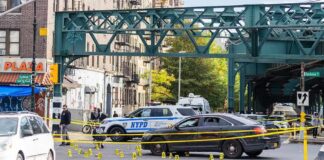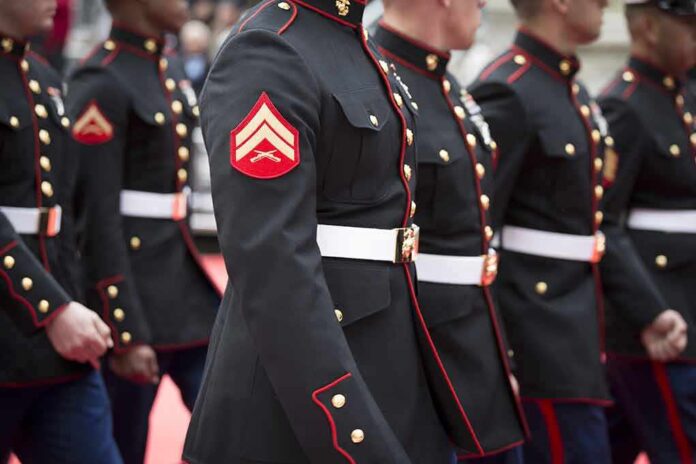
Armed gang members opened fire on U.S. Marines at the American embassy in Haiti, exposing the dangerous collapse of law and order just miles from U.S. soil.
Story Snapshot
- U.S. Marines returned fire after suspected Haitian gang members attacked embassy security; no American casualties reported.
- The shootout underscores the extreme volatility in Haiti, where gangs now dominate most of Port-au-Prince.
- Local law enforcement is overwhelmed, forcing greater U.S. military involvement to protect American personnel.
- The incident raises questions about international intervention and the potential risks to U.S. interests abroad.
Direct Attack on U.S. Sovereignty: Marines Face Gunfire in Haiti
On November 13, 2025, U.S. Marines stationed at the American embassy in Port-au-Prince, Haiti, were fired upon by suspected gang members, prompting a swift armed response. The Marines, tasked with protecting embassy staff and American interests, faced a direct threat just steps from U.S. sovereign territory. No American personnel were harmed, but the attack highlights the risks our service members face in a region descending into lawlessness. This brazen assault exposes the consequences of weak foreign policy and unchecked instability near our borders.
Haiti’s descent into chaos is not a sudden phenomenon. Chronic instability, corruption, and failed governance have plagued the nation for years, but the situation deteriorated rapidly after the 2010 earthquake and the 2021 assassination of President Jovenel Moïse. In the subsequent power vacuum, gangs have gained dominance, now controlling up to 90% of Port-au-Prince. The U.S. embassy has been forced to operate under constant threat, relying on repeated deployments of Marine anti-terrorism teams as the Haitian police struggle to maintain any semblance of order.
Failed Governance and the Rise of Violent Gangs
The recent shootout is just one example of escalating violence and the collapse of public order in Haiti. Gangs are now better armed than local law enforcement, carrying out kidnappings, extortion, and attacks on foreign missions with near impunity. The Haitian police, under-resourced and outmatched, have been unable to respond effectively, leaving foreign diplomats and aid workers in constant danger. International actors, including the United States and the United Nations, have ramped up involvement, but efforts to restore stability have yet to yield results. The ongoing state of emergency underscores the urgency of the crisis and the high stakes for American interests.
Key stakeholders in this crisis include the U.S. Marines, who operate under strict defensive rules of engagement, and the U.S. State Department, which must balance diplomatic presence with staff safety. Haitian gangs, motivated by territorial control and resistance to foreign intervention, now challenge any authority in the capital. The United Nations has authorized a multinational force to help restore order, but deployment delays and logistical challenges have limited its impact. As gangs grow bolder, the risk to U.S. diplomatic personnel and other foreign nationals increases, raising serious questions about the future of American engagement in the region.
Implications for U.S. Security and Conservative Priorities
This violent episode serves as a stark reminder of the dangers posed by failed states and unchecked criminal organizations on America’s doorstep. The attack against U.S. Marines is not just a foreign policy failure—it is a direct threat to American sovereignty and the safety of our citizens abroad. As the Biden administration’s era of inaction and globalist appeasement fades, the new Trump administration faces an urgent challenge: restore deterrence, reinforce diplomatic security, and end policies that embolden criminal elements overseas. Conservative values demand strong national defense and a clear commitment to protecting Americans, whether at home or abroad.
Expert analysis warns that without decisive action, the risks will only escalate. The continued erosion of local authority, the slow rollout of international intervention, and the growing power of gangs threaten not only Haiti’s future but also the safety of U.S. personnel. The incident underscores the importance of a robust, constitutionally grounded foreign policy that prioritizes American lives and interests, rejects reckless open-border ideologies, and supports our military when called upon to defend freedom—even under the most dangerous circumstances.
Sources:
Marines in shootout with suspected gang members outside U.S. embassy in Haiti – Task & Purpose
Suspected gang members exchange fire with US Marines in Haiti – Marine Corps Times