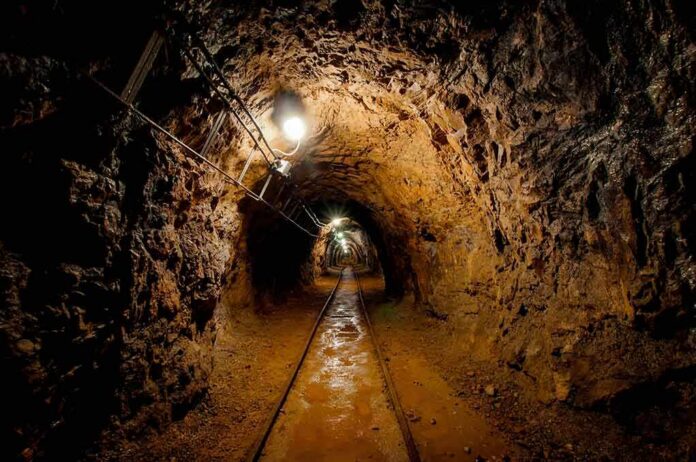
More than 200 people died so the modern world could keep buying “normal” electronics.
Story Snapshot
- An artisanal coltan mine near Rubaya in eastern Democratic Republic of Congo collapsed, with an official toll of more than 200 dead.
- Rubaya sits in a rebel-controlled zone where armed groups influence access, local governance, and mining revenue.
- The same site suffered a deadly collapse in June 2025, signaling repeat hazards rather than a one-off tragedy.
- Coltan feeds global supply chains for smartphones and other electronics, but artisanal extraction often runs on minimal safety and maximum desperation.
Rubaya’s collapse exposed the human cost hidden inside “critical minerals”
An artisanal mine near Rubaya, in North Kivu province, collapsed earlier in the week of reporting, killing more than 200 people, according to Lubumba Kambere Muyisa, spokesperson for the rebel-appointed governor. The number matters because it isn’t just another accident in a remote place; it is a mass-casualty event at a site already associated with instability. The cause remained unclear in initial reporting, and details on rescue efforts or investigations did not follow.
Rubaya is not famous for tourist landmarks or political conferences. It is known for what comes out of the ground: coltan, a metallic ore used to produce tantalum, a key material in capacitors found in smartphones and other electronics. That link between a dangerous pit and a shiny device is the uncomfortable hinge of this story. People in wealthy countries talk about “responsible sourcing” while many miners still work with little gear, little training, and little leverage.
Rebel control turns a workplace hazard into a system that resists accountability
Armed groups reportedly control the area around Rubaya, and the province has rebel-appointed governance structures that can speak to casualties but rarely deliver the kind of enforceable safety oversight seen in functioning regulatory states. That imbalance shapes everything: who gets access to dig, who pays whom to move minerals, and who can demand safer practices without risking retaliation or loss of income. When rebels rely on mineral revenue, production pressure can crowd out safety planning.
Artisanal mining is often described with romantic language—“informal,” “small-scale,” “traditional.” The reality in much of eastern Congo looks more like a high-risk labor market where families gamble daily against hunger. Workers descend into unstable pits that can fail without warning. Timber supports, slope engineering, ventilation, and basic protective equipment cost money and require enforcement. In rebel-held zones, enforcement can mean whatever the controlling force decides it means that day.
The June 2025 collapse was the warning; 2026 became the reckoning
Reporting referenced a June 2025 collapse at the same Rubaya mine that killed at least 12 people, with dozens escaping. That prior incident should have made it harder for anyone—local authorities, site bosses, middlemen, or buyers—to claim surprise. A repeat collapse at the same location suggests persistent conditions: weak pit design, over-digging, compromised walls, or operations continuing during risky weather and soil conditions. The jump from 12 dead to more than 200 signals catastrophic failure, not bad luck.
Limited public detail about the precise trigger can tempt people into easy narratives: “natural causes,” “poor choices,” “nobody could have known.” Common sense rejects that. Mines do not become safer by themselves. When a site has a fatal history and still runs without robust standards, another tragedy becomes a matter of time. The world can argue about blame, but the pattern is hard to ignore: repeated warnings met with repeated risk-taking.
Why coltan pulls people into danger and keeps them there
Coltan’s importance stems from its role in producing tantalum components prized for heat resistance and reliability in electronics. That creates global demand, but the benefit does not flow evenly down the chain. Artisanal miners frequently operate at the thinnest margins, and a day not worked can mean a day not eaten. That pressure weakens any safety culture. When the controlling power is a militia rather than a transparent state, miners have even fewer options to bargain.
American readers over 40 recognize this dynamic in a different context: when regulators vanish, strong actors fill the vacuum. In eastern Congo, the “strong actors” often carry rifles, not clipboards. That does not excuse multinational complacency. If a supply chain depends on inputs from high-risk conflict zones, serious companies must invest in traceability and verification, or they should stop claiming moral credit for voluntary guidelines that never reach the pit wall.
What meaningful response looks like when politics and poverty block easy fixes
The fastest response is usually the least satisfying: condolences, temporary stoppages, and promises of “review.” Real change would involve enforceable safety rules, credible inspections, and alternative livelihoods so workers can refuse unsafe pits without starving. Those steps require authority that can outlast a news cycle and outmuscle armed groups’ economic incentives. That is a steep climb in North Kivu. The likely near-term outcome is grief locally and continued demand globally, unless buyers force a different equilibrium.
Over 200 killed in coltan mine collapse in east Congo: official | REUTERS – YouTube https://t.co/ffQXPrq19N
— neanderthal yabuki (@nean) January 31, 2026
Readers should hold two truths at once. People in Rubaya did not die because technology exists; they died because lawless extraction and poverty priced human life cheaply. The other truth is more personal: consumers and investors do influence what industries tolerate, even from far away, when they reward transparency and punish evasion. If this story fades without pressure for traceability and safety, the next collapse will not be shocking. It will be scheduled.
Sources:
DRC mine collapse: More than 200 killed at coltan-rich area