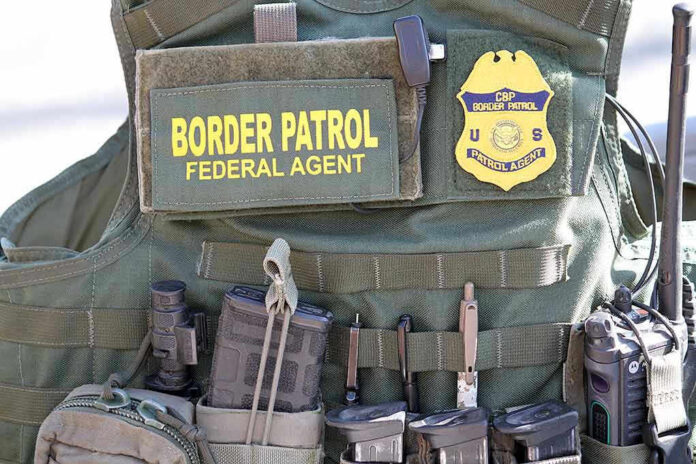
Federal agents were shot at, rammed by vehicles, and assaulted with bricks during immigration operations in Chicago, exposing the explosive consequences of years of failed sanctuary policies and lax enforcement.
Story Snapshot
- Federal immigration agents faced unprecedented violence in Chicago, with attacks involving firearms, vehicles, and bricks.
- Legal battles erupted as attorneys accused federal agents of violating judicial orders restricting use of force.
- Local communities were left in fear and confusion, highlighting the fallout of sanctuary city policies.
- DHS condemned the violence, while critics questioned the necessity and legality of federal actions amid ongoing tensions.
Federal Agents Attacked in Chaotic Chicago Immigration Raids
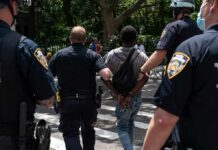
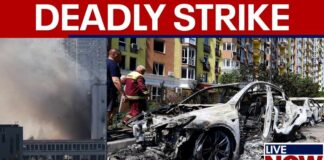
On November 12, 2025, U.S. Border Patrol and Department of Homeland Security (DHS) agents conducting immigration enforcement in Chicago and its suburbs encountered extreme violence. As agents attempted to carry out federal immigration law, they were reportedly shot at, rammed with vehicles, and had bricks hurled at them. DHS described the day as “chaotic,” underscoring the serious risks law enforcement now faces in major American cities where the rule of law is openly challenged by those opposing federal authority.
Border Patrol shot at, rammed with cars and bricks thrown at them in Chicago: ‘Violence here is off the charts’ https://t.co/twLdtsx2iR via @flipboard
— Robert Fleming (@roboeamerican) November 14, 2025
Such violence is not isolated. Chicago, a self-declared sanctuary city, has a long history of resisting federal immigration enforcement. Local policies restrict law enforcement cooperation with federal agencies, effectively creating environments where criminal elements feel emboldened. This most recent surge in attacks against agents is a direct result of years of policies that prioritized political agendas over national security and public safety, eroding respect for law and order in the process.
Legal Controversy Surrounds Federal Response
Following the violent encounters, attorneys and civil rights groups quickly alleged that federal agents violated a judge’s order restricting their use of force during these operations. Witnesses disputed the necessity of the agents’ response, fueling accusations of excessive force. These legal battles reflect the complex power dynamics between federal authority, local resistance, and judicial oversight. Federal judges, driven by pressure from advocacy organizations, have sought to limit the tools available to agents working in high-risk environments, often leaving them vulnerable while emboldening those willing to use violence against law enforcement.
The situation is further complicated by legal uncertainty. With ongoing judicial interventions and calls for investigations into agent conduct, agents must operate in an environment where split-second decisions can lead to litigation or disciplinary action. This legal limbo not only undermines morale among federal personnel but signals to criminals that resistance may carry minimal consequences, further jeopardizing community safety and the integrity of immigration law enforcement.
Community Fallout: Fear, Disruption, and Political Division
The aftermath of these raids has left local immigrant communities gripped by fear, confusion, and uncertainty. Reports indicate heightened anxiety and disruption in neighborhoods, as residents fear both the violence that accompanies federal enforcement and the possibility of civil rights violations. Local leaders and advocacy groups have used these incidents to intensify criticism of federal policy, calling for further restrictions on enforcement and questioning the constitutionality of current operations. Meanwhile, DHS has reaffirmed its commitment to upholding immigration laws and condemned the attacks on its agents, emphasizing the importance of agent safety and the need for effective law enforcement.
While these communities express legitimate concerns about safety and stability, the broader political debate continues to polarize the city. Sanctuary policies, long championed by progressive officials, have created deep rifts between federal agencies and local governments. This climate of distrust hampers effective policing, encourages lawlessness, and ultimately endangers both officers and law-abiding residents. As legal scrutiny intensifies and policy reviews loom, the future of federal-local cooperation—and the ability to restore order—remains uncertain.
Broader Implications for Law Enforcement and American Values
These violent attacks on federal agents are not just a local issue; they signal a broader erosion of respect for the rule of law and the core values that underpin American society. The willingness to target law enforcement with deadly force marks a dangerous escalation, one that threatens the safety of officers and undermines public confidence in government institutions. For conservatives committed to constitutional principles, limited government, and traditional family values, this incident serves as a stark reminder of the consequences of unchecked government overreach, politicized law enforcement, and policies that prioritize ideology over security.
Restoring order and rebuilding trust will require not only firm and principled leadership but also a return to policies that prioritize the safety of American citizens, uphold the Constitution, and send an unambiguous message: attacks on law enforcement will not be tolerated. As legal and political battles continue, many will be watching closely to see if the Trump administration can reverse the damage wrought by years of failed leftist policies and ensure that American streets—and those who protect them—are safe once again.