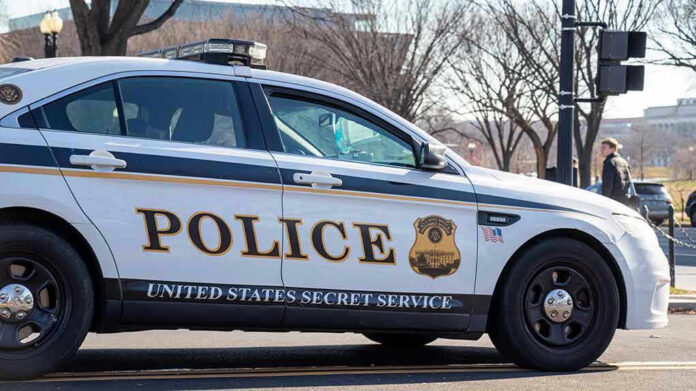
As Trump’s would-be assassin squeezed off eight shots from an open rooftop, one Secret Service agent was staring at a cell phone screen, googling the wrong building.
Story Snapshot
- Secret Service missed over 100 radio calls warning about a suspicious gunman before shots were fired.
- One agent focused on Googling a rooftop 150 yards away while the actual shooter was already firing.
- Senior officials sat on classified threat intel for 10 days and never shared it with the team securing Trump.
- Congress and watchdogs now call the Butler rally a “preventable” failure born of bad choices, not bad luck.
The moment an assassin fired and an agent went searching on Google
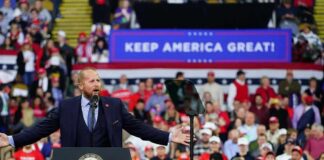
When Thomas Crooks climbed onto the AGR building roof in Butler, Pennsylvania, he faced a clear, unobstructed view of Donald Trump. Witnesses say he fired eight shots, killing one man, wounding two more, and grazing Trump’s ear before a counter-sniper killed him. In those seconds, a Secret Service agent tasked with situational awareness was not tracking Crooks’ perch. He was reportedly googling a different rooftop location about 150 yards away, trying to figure out where it was on a map while bullets were already flying.
That detail comes from a Department of Homeland Security Office of Inspector General report, described by commentators who reviewed its redacted findings. The report reconstructs the event in three dimensions and draws on 92 interviews and roughly 70,000 documents. It says the agent diverted attention to a cell phone search instead of maintaining eyes on the field. Common sense and conservative instincts both say this: when the principal is under fire, your job is not to play detective on Google. Your job is to move, act, and protect.
Warnings ignored: 102 missed radio calls and a siloed threat
The googling agent was not an isolated misstep. A watchdog report says the Secret Service missed 102 radio transmissions warning about a suspicious gunman and related activity before Crooks pulled the trigger. Local officers had eyes on a man roaming, using a rangefinder, and acting strangely near the AGR building. They pushed alerts over their radio system. Those calls never flowed cleanly into the Secret Service’s own channels. The agency later admitted that information stayed stuck in state and local lanes instead of reaching Trump’s detail.
Ten days before the rally, senior Secret Service officials received classified intelligence describing a threat to Trump’s life. It was not tied to Butler specifically, but it was enough that agents on the ground could have requested more assets and tighter security if they had known. According to the Government Accountability Office report requested by Senator Chuck Grassley, the agency simply had no process to share such classified threat information unless it met a narrow test as an “imminent threat to life.” That is bureaucracy over judgment. It clashes with the conservative view that leaders must use common sense, not hide behind policy excuses.
A security plan built on cell phones, split command posts, and wishful thinking
The Butler rally did not fail because the risks were invisible. Internal Secret Service reviews say the line-of-sight danger from the AGR roof was known ahead of time. Supervisors expected large farm equipment to block that view. Those machines were never put in place, and staff who saw the problem did not tell their bosses it was still unresolved. At the same time, the agency ran security with two separate command posts instead of one unified room that blended federal and local law enforcement. Information moved through a “chaotic mixture” of radio, text, email, and cell calls.
That chaos mattered. Agents and local officers relied heavily on cell phones in an area with spotty service and thousands of people on their devices. The Government Accountability Office report notes the agency had no policy to test and harden audio and data communication for a high-attendance event. After the fact, the acting director conceded that communication deficiencies and heavy mobile reliance helped silo vital information. To Americans who expect serious planning, this sounds less like a tragic surprise and more like an avoidable blunder.
Politics, accountability, and the missing motive
Bipartisan Senate and House investigations now describe Butler as a “cascade of preventable failures.” Senator Rand Paul’s committee found that the Secret Service denied multiple requests for extra staff and assets, including at least two tied directly to the Butler rally. Grassley’s report hammered the agency for its broken process on threat sharing. An independent panel commissioned by President Biden called for an overhaul of Secret Service operations after reviewing the attempt. When watchdogs from different camps agree, it usually means the facts are hard to spin away.
1/4 We already knew this, but it is good to have official confirmation.
"The Secret Service missed multiple opportunities to stop the attempted assassination of then-candidate Donald Trump at a 2024 campaign rally in Butler, Pennsylvania…"https://t.co/buUIeaGOpx
— whozis (@whozis) July 3, 2026
The agency has taken visible steps. Six personnel were suspended, and leaders publicly labeled the event an “operational failure.” Officials say they are adopting recommendations to improve communication and threat sharing. Those moves show some accountability rather than total denial. Yet they also underline how serious the failures were. Meanwhile, one key piece remains blank: Crooks’ motive. The House task force report and federal agencies still have not released full details of his intent and digital footprint. That silence fuels mistrust and demands for more transparency.
Sources:
cha.house.gov, judiciary.senate.gov, fedscoop.com, abc7news.com, abc7ny.com, politico.com, cbsnews.com, legis1.com, youtube.com, upguard.com
© featurednews.com 2026. All rights reserved.