featurednews.com — A sealed antitrust case turned the shipping container market into a lesson in how crisis can magnify power fast.
Quick Take
- The Justice Department unsealed an indictment charging seven executives and four shipping container manufacturers with conspiring to restrict output and fix prices.[6]
- Prosecutors say the alleged conduct began as early as November 2019 and continued to at least January 2024.[6]
- The government claims the companies controlled about 95 percent of the world’s standard dry shipping container supply.[2][5]
- Officials allege the conspiracy roughly doubled container prices and sharply boosted profits during the pandemic era.[6]
How the Alleged Scheme Worked
The Justice Department says the case centers on a simple but damaging playbook: cut production, tighten supply, and lift prices while the market is already under strain.[6] Prosecutors allege the defendants did not just benefit from pandemic disruption; they exploited it. That distinction matters. A shortage caused by chaos is one thing. A shortage made worse by coordination is something else entirely, and that is what federal prosecutors say they found.
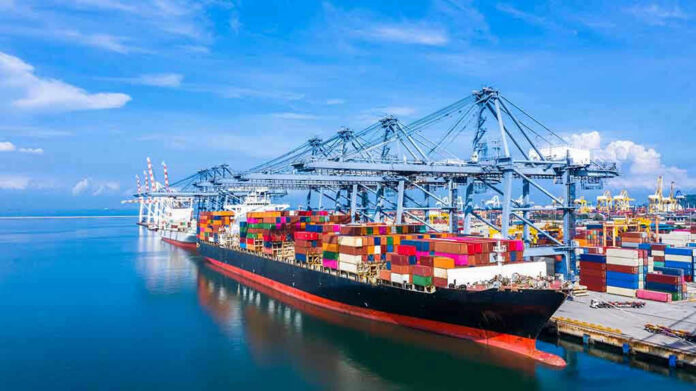
According to the Justice Department, the alleged conspiracy involved four major companies and seven executives tied to the manufacture of nearly all standard dry shipping containers used in global trade.[5][6] That kind of market concentration gives the accusation its force. When a handful of firms dominate a bottleneck product, even a small degree of coordination can echo through ports, freight lanes, and warehouse shelves. The public rarely sees the mechanism, but it feels the consequences in higher shipping costs and delayed goods.
Why Prosecutors Say the Conduct Matters
Officials say the alleged price fixing did not stay inside a trade publication or a boardroom. They say it rippled through supply chains and affected American businesses trying to move goods from China.[1][2] That is why antitrust law exists in the first place. Markets do not function when dominant players act like partners instead of competitors. For readers who value ordinary rules and fair dealing, the alleged conduct fits the classic definition of exploiting a crisis for private gain.
Acting Assistant Attorney General Omeed A. Assefi said the companies “choking the world’s supply of shipping containers” allegedly lined their own pockets while businesses and consumers absorbed the pain.[1][5] Prosecutors also say the price of a standard container more than doubled from 2019 to 2021 and that profits rose about one hundredfold.[2][6] Those are dramatic claims, but they remain claims. The indictment is not a conviction, and the evidence has not yet been tested in court.
What the Government Says Happened Behind the Scenes
The most vivid allegation involves surveillance cameras in one another’s factories, allegedly used to make sure no manufacturer cheated on agreed output limits.[5][6] If proven, that would show a cartel operating with a level of discipline that most outsiders associate with organized crime, not industrial logistics. Still, the public materials provided here do not include the underlying exhibits, witness testimony, or forensic records needed to confirm that story. A serious allegation deserves serious proof.
Seven Chinese executives and four of the largest shipping container manufacturers were criminally charged in an antitrust case alleging they engaged in illegal price fixing during the pandemic six years ago, federal prosecutors announced on Tuesday. https://t.co/bzOUnMAU8T
— CBS News (@CBSNews) May 19, 2026
One defendant, Vick Nam Hing Ma, was reportedly arrested in France, and his extradition to the United States is still pending.[2][3] The other defendants remain at large, which helps explain why the indictment stayed sealed until the government was ready to go public.[2][5] That sequence matters. It suggests the prosecution wanted the strongest possible tactical position before unsealing the case. It also leaves the defense with one simple argument: accusation is not adjudication.
What Readers Should Watch Next
The next meaningful developments will not come from headlines. They will come from the court record, any public defense, and whether prosecutors can show documents, communications, or insider testimony tying each defendant to a real agreement.[5][6] Without that, the case remains a powerful allegation but not proven fact. With it, the story becomes a reminder that concentrated markets can turn a global crisis into an opportunity for abuse, and that is exactly why antitrust enforcement still matters.
Sources:
[1] Web – U.S. accuses Chinese execs, shipping container companies of price …
[2] Web – DOJ reveals indictment of Chinese defendants for alleged antitrust …
[3] Web – US charges 7 Chinese executives and 4 shipping firms linked to …
[5] Web – Acting Assistant Attorney General Omeed A. Assefi Delivers …
[6] Web – Four of the World’s Largest Container Manufacturing Companies …
© featurednews.com 2026. All rights reserved.