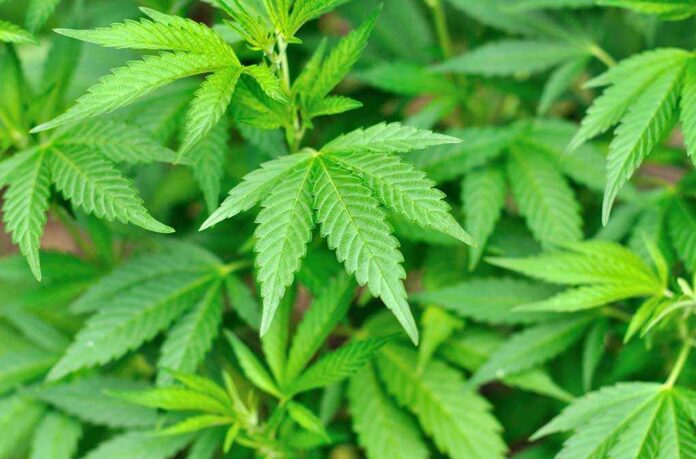
Organized drug traffickers have devastated one of America’s treasured national parks—leaving behind toxic chemicals, firearms, and environmental destruction that exposes the dangerous consequences of lax enforcement and misguided policies.
Story Highlights
- Federal rangers removed over 2,300 illegal marijuana plants and 2,000 pounds of debris from Sequoia National Park in August 2025.
- The operation uncovered banned pesticides, poaching evidence, and a semi-automatic pistol—signs of cartel involvement and escalating criminal threats.
- Environmental damage spanned 13 acres, including water diversion and harm to endangered species, with toxic chemicals delaying cleanup for a year.
- Despite legalization in California, black-market grows persist on federal lands, raising questions about enforcement, resource allocation, and government priorities.
Cartel-Linked Grow Sites Threaten National Security and Park Integrity
In August 2025, National Park Service rangers—supported by Bureau of Land Management agents—dismantled a sprawling illegal marijuana operation in Sequoia National Park. They removed 2,377 mature plants and 2,000 pounds of trash, including makeshift irrigation, tents, and infrastructure. The site had been discovered and raided the previous year, but full remediation was delayed due to the presence of methamidophos, a banned and highly toxic insecticide that posed grave risks to law enforcement and the environment. The scope of the operation, along with the seizure of a semi-automatic pistol and evidence of poaching, signals the growing reach and audacity of organized drug-trafficking organizations exploiting public lands for profit.
Illegal marijuana cultivation on federal lands has plagued California for decades, with national parks like Sequoia and Kings Canyon repeatedly targeted by criminal groups. Despite the state’s legalization of recreational marijuana in 2016, black-market grows have not disappeared. Instead, they have shifted further into protected, remote parklands—where federal law applies and oversight is limited. Over the past twenty years, nearly 300,000 marijuana plants, valued at $850 million, have been eradicated from these two parks alone. These illegal operations often use deadly chemicals, clear vast tracts of native vegetation, and divert precious water resources, undermining both ecological integrity and public safety. Rangers continue to face armed suspects and booby-trapped camps, with local communities bearing the cost of environmental restoration and increased law enforcement demands.
Toxic Chemicals and Environmental Harm Underscore Policy Failures
The Sequoia bust revealed a disturbing pattern: organized criminals are willing to sacrifice irreplaceable parkland and wildlife for profit, using substances like methamidophos that are banned precisely because of their long-lasting, lethal effects on soil, water, and endangered species. The 13-acre site showed extensive damage—poisoned waterways, destroyed vegetation, and habitat loss for sensitive species. Cleanup was dangerously delayed due to chemical hazards, highlighting the strain on federal agencies responsible for protecting America’s natural heritage. While the National Park Service and Bureau of Land Management led the enforcement and remediation, their resources are stretched thin—raising questions about whether current policy and funding priorities do enough to deter these crimes or safeguard constitutional values like property rights and responsible stewardship.
Despite the successful removal operation, the site’s full recovery will take years. The presence of firearms and evidence of poaching points to broader criminal activity and a disregard for rule of law and public safety—an affront to the values of law-abiding citizens. These incidents also represent a direct threat to local economies reliant on tourism and healthy ecosystems, as well as to the safety of park visitors and staff. The economic burden of cleanup and enforcement falls on taxpayers, while the underlying problems—regulatory gaps, lack of coordination between agencies, and insufficient border and land security—remain unresolved. The persistent exploitation of public lands by criminal elements underscores the urgent need for strong, constitutionally grounded enforcement and a reexamination of policies that have enabled this crisis.
Expert Consensus: Stronger Enforcement, Smarter Policy Needed
Environmental scientists warn that chemicals like methamidophos can persist in the environment for years, threatening biodiversity and contaminating water supplies. Law enforcement experts point to the increasing sophistication of cartel-linked grows, with armed guards and booby traps becoming commonplace hazards for rangers and first responders. Conservation biologists emphasize that national parks—by virtue of their remoteness and ecological significance—are especially vulnerable and require vigilant protection. Policy analysts highlight that legalization alone has not addressed black-market cultivation on federal lands, and that greater cooperation and resource allocation are needed to close enforcement gaps. The unified message: Without decisive action, these destructive operations will continue to erode America’s natural heritage and the constitutional values that define the nation.
Thousands of illegal hidden marijuana plants removed from national park along with gun, dangerous chemicals https://t.co/HqAR66ww4Y #FoxNews
— Truman Cash (@TrumanCash2) August 25, 2025
While this major operation in Sequoia National Park removed a significant threat, it also exposed the ongoing risks to public safety, environmental health, and the rule of law. As criminal organizations adapt and exploit weaknesses in enforcement, the question remains: Will policymakers and federal agencies prioritize the protection of public lands and constitutional values, or will Americans continue to bear the cost of failed oversight and misguided policies? The answer will shape the legacy of America’s great parks—and the freedoms they represent—for generations to come.
Sources:
LA Times: Massive marijuana grow using toxic chemicals busted in Sequoia National Park
CBS News: California Sequoia National Park illegal marijuana cultivation site
SF Chronicle: Sequoia illegal marijuana raid