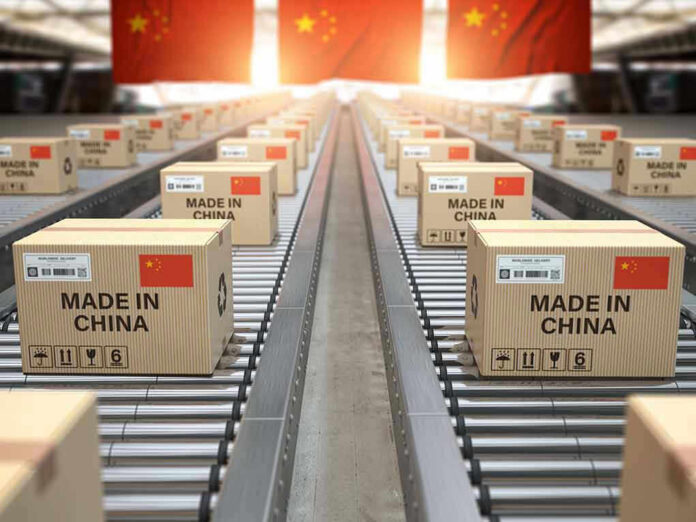
A sudden surge in Chinese rare earth magnet imports has exposed just how vulnerable America remains to foreign control over critical industries, reigniting concerns about the nation’s economic security and supply chain independence.
Story Snapshot
- U.S. imports of Chinese rare earth magnets spiked from 46 tons in May to 619 tons in July 2025 after new trade agreements.
- China’s export controls and permit reforms highlight persistent American dependence on a strategic rival for vital materials.
- The episode underscores the urgent need to bolster domestic production and diversify supply chains.
- Ongoing U.S.-China tensions and supply disruptions threaten key sectors, including defense and advanced manufacturing.
China’s Export Moves Reveal America’s Supply Chain Exposure
In July 2025, U.S. imports of rare earth permanent magnets from China soared to 619 tons, up dramatically from just 46 tons in May. This surge followed months of disruption caused by Chinese export controls imposed in April. The rebound was triggered by a bilateral trade agreement and a Chinese pledge to accelerate export permit approvals, but the episode made it clear that America’s access to critical inputs can be throttled by foreign policy decisions beyond its control. The rapid escalation from historic lows to a six-month high demonstrates how quickly the supply landscape can shift when Chinese authorities adjust their regulatory stance.
Rare earth magnets play an indispensable role in U.S. manufacturing, defense, and technology sectors, powering everything from electric vehicles and wind turbines to advanced weapons systems and consumer electronics. China currently controls over 80% of global production and export capacity for these materials. Events in 2025 echoed earlier disruptions, such as China’s rare earth restrictions in 2010, which led to global price spikes and forced the U.S. and allies to confront their reliance on a single supplier. Despite ongoing efforts to develop alternative sources, the pace of diversification has lagged far behind the strategic risk posed by concentrated supply.
Trade Disruptions Highlight Geopolitical Risks
The collapse and subsequent recovery of U.S. imports were not random market fluctuations, but direct consequences of geopolitical maneuvering. In April, China cited national security and environmental concerns to tighten export controls on rare earth derivatives, causing U.S. imports to plummet to a mere 46 tons in May. A rapid diplomatic response led to China streamlining its export licensing process, resulting in a 660% jump in imports by June and a further 76% surge in July. Chinese officials have since emphasized their commitment to normalized trade, while industry observers note that the speed of recovery suggests significant administrative reforms on the Chinese side. However, these developments do little to address the underlying risk: China retains the power to disrupt American supply chains at will.
This volatile dynamic is not lost on U.S. manufacturers and policymakers. Firms have scrambled to build up inventories and secure future contracts, but the structural imbalance remains. With China exporting a total of 5,577 tons of permanent magnets in July alone—of which the U.S. accounted for 11%—the leverage remains firmly in Beijing’s hands. The European Union, too, saw a sizable increase in imports, reinforcing the global scope of the issue and the extent of Western dependence on Chinese supply.
Strategic Vulnerability Spurs Calls for Domestic Action
Short-term relief from the July import surge has not erased concerns over long-term security. U.S. technology, renewable energy, automotive, and defense sectors all face persistent exposure to supply chain disruptions. Industry experts and academics widely agree that overreliance on Chinese rare earths is a strategic liability. While some voices view the latest rebound as evidence of improved cooperation, many warn that the situation remains fragile and subject to abrupt change should geopolitical tensions flare again. The episode has fueled bipartisan calls in Congress for accelerated investment in American mining, processing, and recycling capabilities, alongside renewed pressure to incentivize private sector innovation in alternative materials.
Analysts credit recent Chinese administrative reforms for facilitating the export rebound, but caution that this may be a temporary reprieve. As Washington weighs policy responses, the focus has shifted to securing critical minerals through alliances, new trade agreements, and domestic resource development. For conservative Americans, the lesson is clear: dependence on a strategic adversary for the building blocks of modern industry is an unacceptable risk that undermines both economic sovereignty and national security.
China’s Rare Earth Shipments to US Jump After Trade Truce | The Epoch Times
— Travis (@Travis811931602) August 21, 2025
Looking ahead, the urgency to diversify supply chains and restore American production capacity is greater than ever. While the immediate threat of shortages has receded, the underlying vulnerability remains. Without robust domestic investment and a clear-eyed assessment of global risks, another round of foreign-imposed disruptions could strike at any time. This episode is a sober reminder that constitutional principles of self-reliance and national strength are best preserved when America controls its own destiny in critical industries.
Sources:
China’s Rare Earth Magnet Exports Rebound in 2025, Discovery Alert
Magnetic Attraction: China’s Exports of Permanent Magnets Surge Again, SCMP
China’s Permanent Magnet Exports Surge in 2025, Discovery Alert
China’s Rare Earth Magnet Exports to US Surge 660% in June, Mexico Business News