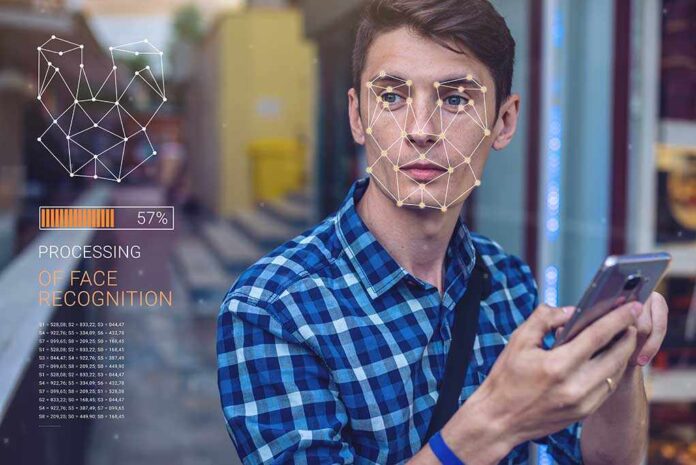
Wegmans’ use of facial recognition technology in select NYC stores is sparking a heated debate over privacy rights and security measures.
Story Highlights
- Wegmans deploys facial recognition tech in NYC stores for security purposes.
- Privacy advocates express concerns over biometric data collection.
- Signage indicates potential collection of eye scans and voiceprints.
- Wegmans assures limited and compliant use of technology.
Wegmans’ Technological Shift in NYC
In a move that has ignited a firestorm of controversy, Wegmans Food Markets, a family-owned grocery chain based in Rochester, New York, has introduced facial recognition technology in two of its New York City locations. The deployment is aimed at identifying individuals flagged for previous misconduct, raising questions about the balance between security measures and privacy rights. Signage at these stores informs customers about the collection of biometric data, including potential scans of eyes and voiceprints, despite Wegmans’ denial of such practices.
The initiative, which began as a pilot program in 2024, has now expanded to include customer-facing technology in high-risk sites. This rollout comes amid a backdrop of increasing retail theft and the failure of a 2023 legislative proposal in NYC aimed at banning biometric data collection in stores. While Wegmans maintains that the technology aids in enhancing safety and security without sharing data with third parties, critics argue that it poses significant privacy risks to everyday shoppers.
Privacy Concerns and Public Response
Privacy advocates, including the New York Civil Liberties Union, have raised alarms about the potential misuse of biometric data collected by Wegmans. They argue that the technology could lead to errors, hacking risks, and misuse by law enforcement agencies such as ICE. The signage, which mentions the collection of eye scans and voiceprints, has added fuel to the fire, despite Wegmans’ assertion that only facial recognition is in use. Public backlash has been swift, with some customers vowing to boycott the chain over concerns about their personal data being stored and potentially misused.
Critics also cite the risk of misidentification, particularly for marginalized groups, which could lead to wrongful bans or legal issues. The controversy is reminiscent of similar biometric technology rollouts by other retailers, such as Fairway, which faced opposition for its deployment in 2023. The debate centers not only on privacy but also on the broader implications of a surveillance-driven retail environment.
Potential Regulatory and Economic Implications
The Wegmans case could serve as a catalyst for future legislation concerning the use of biometric technology in retail environments. Lawmakers, such as State Senator Rachel May, have shown interest in sponsoring bans or demanding greater transparency from companies deploying such technologies. The ongoing situation may also influence consumer behavior, potentially leading to a chilling effect where shoppers are more cautious about where they spend their money.
Economically, while retailers like Wegmans argue that biometric technology is a necessary tool for combating theft and ensuring safety, the backlash could offset these benefits by alienating privacy-conscious consumers. The broader industry may witness a shift as more companies adopt similar technologies, prompting a reevaluation of the balance between innovation and consumer rights.
Sources:
WXXI News – Wegmans Using Facial Recognition Technology
Supermarket News – Wegmans Deploys Biometric Surveillance
Grocery Dive – Wegmans Facial Recognition in NYC
Central Current – Wegmans Facial Recognition Technology