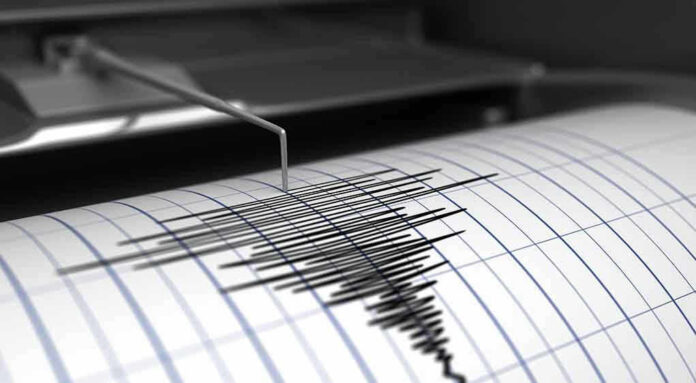
As the Pacific Northwest shakes from recent earthquakes, urgent warnings resurface about a long-overdue megaquake on the Cascadia fault—threatening lives, infrastructure, and the very preparedness of communities.
Story Snapshot
- Recent quakes reignite concern over the Cascadia Subduction Zone’s overdue “Big One.”
- Scientists warn the region—from Northern California to British Columbia—faces catastrophic risk.
- Critical infrastructure and urban centers remain highly vulnerable to a magnitude 9.0+ event.
- Despite decades of research, public preparedness and retrofitting lag behind scientific warnings.
Cascadia Subduction Zone: The Hidden Threat Beneath the Northwest
The Cascadia Subduction Zone stretches roughly 1,000 kilometers from northern California to Vancouver Island, where the Juan de Fuca Plate slides under the North American Plate. This fault is geologically unique; it generates infrequent but colossal earthquakes and tsunamis, with historical evidence tracing back nearly 10,000 years. The last known megathrust earthquake occurred in 1700, causing widespread destruction and even a trans-Pacific tsunami documented in Japanese records. Modern research, including extensive core sampling from 1999 to 2009, confirms a pattern of recurring quakes every 400–600 years, suggesting the region is overdue for another catastrophic event.
Unlike California’s San Andreas, the Cascadia fault is less active on the surface, making its risk harder to detect without advanced monitoring. Major cities such as Seattle, Portland, and Vancouver lie in the direct path of potential devastation. Much of their infrastructure was not designed to withstand a magnitude 9.0 quake or the resulting tsunami. Recent seismic activity throughout the 2020s and a series of moderate quakes in September 2025 have forced renewed attention on the urgent need for disaster readiness.
Scientific Consensus and Recurring Warnings
Leading agencies like the U.S. Geological Survey (USGS) and Pacific Northwest Seismic Network (PNSN) have repeatedly emphasized the Cascadia Subduction Zone’s capacity for generating some of the world’s largest earthquakes. Research led by academic experts such as Chris Goldfinger at Oregon State University has established a detailed chronology of past events using innovative geological methods. While most experts agree on the risk and recurrence intervals, some debate persists regarding the likelihood of a full-margin rupture versus smaller segmented events. Regardless, the consensus is clear: the region faces a looming threat, and the timing remains unpredictable.
Indigenous oral histories corroborate the scientific record, documenting devastating quakes and tsunamis long before modern monitoring. Emergency managers and policymakers must balance economic and social priorities with the pressing need for preparedness. Federal, state, and local agencies drive research and response, while academic and community leaders push for policy informed by both science and tradition.
Response, Preparedness, and the Gap in Action
Despite decades of warnings, public education campaigns and infrastructure retrofitting efforts remain uneven and insufficient across the Pacific Northwest. While emergency drills and awareness initiatives have increased since 2020, many vulnerable communities remain underprepared. Critical infrastructure operators—transportation, utilities, healthcare—face significant risk. The economic impact of a major Cascadia event could reach into the tens of billions, with catastrophic losses and long-term recovery challenges affecting millions.
Political pressure is mounting for more aggressive mitigation and investment, yet bureaucratic inertia and competing priorities often slow progress. The gap between scientific warnings and public action is a recurring theme, leaving families, businesses, and entire communities exposed to one of North America’s greatest natural hazards.
Long-Term Implications and Calls to Action
In the short term, heightened seismic activity and media coverage have increased public concern and demand for information. In the long term, the risk of a magnitude 9+ earthquake and tsunami remains a clear and present danger to the Pacific Northwest. Experts urge accelerated retrofitting, robust public education, and effective early warning systems to reduce casualties and safeguard property. The lessons of global subduction zone disasters—such as the 2011 Tōhoku and 2004 Sumatra earthquakes—underscore the urgency of acting before tragedy strikes.
As scientific evidence grows and community leaders push for change, the need for constitutional, common-sense preparedness is more important than ever. Conservative values of self-reliance, family protection, and limited government bureaucracy demand practical solutions to safeguard American lives and property from this overdue and potentially devastating threat.
Sources:
Earthquake Timeline – OregonLive
Cascadia subduction zone – Wikipedia
Pacific Northwest Seismic Network: Cascadia Subduction Zone
Surviving Cascadia: How Often Do They Occur?
1700 Cascadia earthquake – Wikipedia