A Spanish-language reporter covering ICE enforcement was arrested by the very agency she reported on, sparking a legal battle that pits press freedom against immigration enforcement in ways that should concern every American who values constitutional protections.
Story Snapshot
- Stephanie Rodriguez, Nashville Noticias reporter, detained by ICE agents on March 4, 2026, while in her news vehicle without a warrant presented at scene
- Rodriguez had legally entered the US, was actively pursuing a green card, and had no prior ICE case or criminal charges
- Her attorneys filed a federal lawsuit alleging Fourth Amendment violations and retaliation for her critical reporting on ICE detention harms
- Federal government claims a valid administrative warrant existed and Rodriguez’s B-2 visa had expired, denying any constitutional violations
- March 21 hearing will determine her fate as she sits in a Louisiana detention center, at risk of missing her scheduled green card fingerprinting appointment
The Arrest That Raises Red Flags
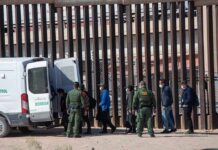
ICE agents surrounded Stephanie Rodriguez’s news vehicle in Nashville on March 4, 2026. Multiple men exited vehicles and demanded custody of the journalist without presenting a warrant at the scene. They transported her to a detention center in Louisiana, hundreds of miles from her scheduled green card processing appointments. Rodriguez had entered the United States legally on a B-2 visa and was following ICE instructions for her green card application, with a fingerprinting appointment scheduled for March 17 and a later check-in planned for that month.
The timing raises serious questions. Rodriguez had been reporting on ICE enforcement actions and the harms suffered by detained individuals in Nashville’s immigrant communities. Her work for the Spanish-language outlet Nashville Noticias gave voice to populations directly impacted by immigration enforcement. Days before her arrest, ICE checked her case status and mentioned finalizing charging documents, yet no appointment existed and no charges had been filed against her. This pattern suggests something beyond routine immigration enforcement.
Constitutional Collision Course
The legal battle centers on whether ICE violated Rodriguez’s Fourth Amendment protections against unreasonable searches and seizures. Her attorneys argue agents conducted a warrantless arrest, demanding the court order her immediate release. They contend the circumstances indicate retaliation for her journalism, pointing to her clean record, compliance with immigration procedures, and critical reporting on ICE operations. The Tennessee Immigrant and Refugee Rights Coalition highlighted her “honest and courageous” coverage of enforcement harms, framing the detention as potential government intimidation of the press.
The federal government fired back in court documents filed March 6, asserting ICE possessed a valid administrative warrant and acted lawfully to enforce immigration law against someone whose B-2 visa had expired. Federal attorneys denied any warrantless arrest occurred or that Rodriguez’s journalism played any role in enforcement decisions. This creates a factual dispute at the heart of the case: did agents have proper authorization, and if so, why wasn’t it presented at the scene? The conflict exposes tensions between administrative immigration enforcement powers and constitutional protections that typically govern arrests.
What The Law Actually Requires
Administrative warrants in immigration cases differ from criminal warrants. They require less judicial oversight and lower evidentiary standards. ICE can issue them internally for immigration violations like overstaying a visa. Critics argue this system invites abuse because it lacks robust checks on executive power. Supporters counter that immigration enforcement requires flexibility unavailable under stricter criminal warrant procedures. Rodriguez’s case tests whether that flexibility extends to detaining journalists reporting on agency misconduct without showing documentation at arrest, especially when the subject is actively cooperating with legalization processes.
The Fourth Amendment protects against unreasonable seizures of persons. Courts have traditionally required law enforcement to show warrants upon request during arrests unless exigent circumstances exist. Rodriguez’s attorneys claim no warrant was shown, no emergency justified skipping that step, and her detention disrupts constitutionally protected journalism. If ICE possessed a valid warrant, standard practice would involve presenting it. The government’s failure to address why agents didn’t show documentation at the scene strengthens suspicions about the arrest’s motivations and legality.
Press Freedom In The Crosshairs
Rodriguez’s detention sends a chilling message to journalists covering immigration enforcement. Reporters documenting government actions, particularly those serving immigrant communities in their native languages, face unique vulnerabilities if they or their families have immigration status issues. The case illustrates how immigration law can become a tool to silence critical coverage. Whether intentional retaliation or simply enforcement indifferent to press freedom implications, the effect remains the same: fewer journalists willing to scrutinize ICE operations, and immigrant communities losing essential information sources.
https://twitter.com/LEHC1969/status/2030285379677425878
The broader implications reach beyond one reporter. If immigration authorities can detain journalists for expired visas while they pursue legal status, especially those reporting critically on enforcement, it establishes a troubling precedent. American principles demand government transparency and accountability through free press, regardless of reporters’ citizenship status. The First Amendment’s press protections don’t vanish because a journalist navigates the immigration system. Rodriguez was complying with that system, making her arrest during active green card processing particularly suspect and disruptive to both her rights and her coverage of communities depending on her reporting.
Sources:
ICE Arrest reporter after exposing tactics