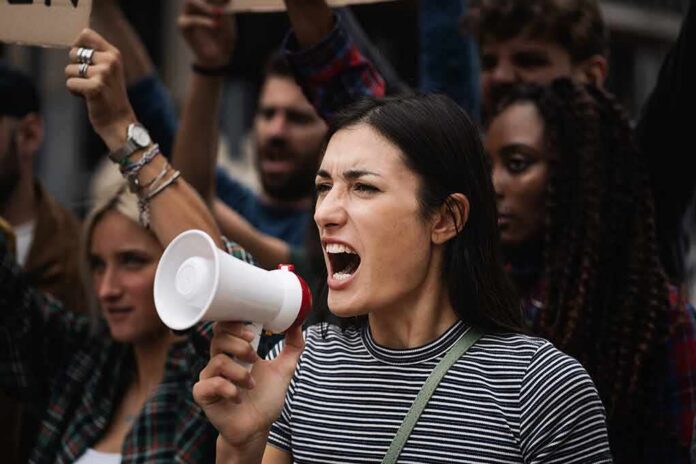
Indiana Fever guard Sophie Cunningham’s locker-room comments ignited real-world rallies and counterprotests outside WNBA arenas across multiple cities.
Story Snapshot
- Cunningham said girls “shouldn’t have to go against biological men,” framing it as safety and fairness.
- Supporters and opponents rallied outside several Fever games, moving the debate from quotes to the streets.
- Cunningham defended her stance as “common sense” while saying she holds no hate toward transgender people.
- League and team responses left gaps, while policy fights and ballot measures grew around the controversy.
What Cunningham Said And Why It Landed Hard
ESPN published a profile on July 22, where Sophie Cunningham said she wanted to “protect young girls in the locker room” and that girls should not face “biological men.” Reporting from that day and after quoted her using that language and calling her view “common sense.” She later said she did not hold anti-trans hatred and wanted to “extend love,” but she stood by barring transgender athletes from women’s sports.
The comments touched a nerve because they match long-running fights about safety, privacy, and fairness in women’s sports. Supporters saw a star saying what many feel but fear to say. Critics heard broad labels that erase trans people and frame them as threats. The clash grew during a season already soaked in culture-war battles. The words were simple, but the stakes are deep, with careers, identities, and league image on the line.
From Quotes To Rallies Outside Arenas
Days after the remarks, crowds gathered outside Fever games in Seattle, Portland, and other cities. Reports described pro-Cunningham rallies with “save women’s sports” signs alongside counterprotests. One Seattle rally was linked to Washington state ballot initiatives to restrict trans participation in girls’ sports, showing the move from opinion to policy activity. Some events drew only a few dozen people, but they were loud and visible.
Cunningham said supporters were exercising their speech rights and claimed she had “nothing to do with” organizing the demonstrations. Inside some arenas, boos met her. Outside, advocates and opponents traded chants. Coverage focused on confrontation and security rather than on rule texts or data. That media pattern left many fans with heat but little clarity on what the league or team policies actually say today.
What The Records Show — And What They Do Not
The public record here centers on Cunningham’s quotes and the protests. The sources do not name a specific transgender athlete tied to any Fever game, nor do they present league policy documents or enforcement records. Claims about threats or safety incidents around the rallies appear in reports but lack police filings or incident logs in this material. The gap leaves a hot debate without concrete, game-specific evidence to test either side’s strongest claims.
And every WNBA player, whether it's Caitlin Clark, Sophie Cunningham or whoever, that they talk to about this should stand for Natasha
This ain't no type of protest. He's harassing those women at their workplace and saying some dumb-ish and I'm gonna block you https://t.co/s0qPadsS3H
— Randall Barnes (@AuthorRandallB) August 24, 2026
National groups have taken positions, which keeps pressure high. The National Collegiate Athletic Association (NCAA) leadership previously affirmed support for transgender student-athletes’ ability to compete, while defenders of women’s categories point to fairness and privacy concerns. The WNBA and the Indiana Fever answered few questions in the cited reporting, creating a vacuum. When officials go quiet, outside voices fill the space, and the fight shifts from policies to personalities.
Why This Matters Beyond One Player
This story sits in a larger trend: rules for women’s categories are tightening in some sports, while inclusion groups push back with their own research and rights claims. Fans on the right and left share a core frustration that leaders dodge hard calls and let public fights fester. When a league leaves rules vague and relies on public relations, it invites street politics at the arena door, which is bad for safety, trust, and the games people paid to watch.
What To Watch Next
Watch for three concrete steps. First, clear league and team statements on eligibility and locker-room policies that balance fairness, privacy, and inclusion. Second, any verified incident logs from protest nights that could confirm or debunk safety claims. Third, the fate of related state initiatives, which could force changes regardless of league preferences. Until then, rallies will keep outshouting rulebooks, and players will bear the fallout for decisions leaders have not made.
Sources:
facebook.com, nytimes.com, nbcchicago.com, cbssports.com, usatoday.com, theguardian.com, nypost.com, espn.com, theringer.com, sportingnews.com, foxnews.com, democrats-edworkforce.house.gov
© featurednews.com 2026. All rights reserved.