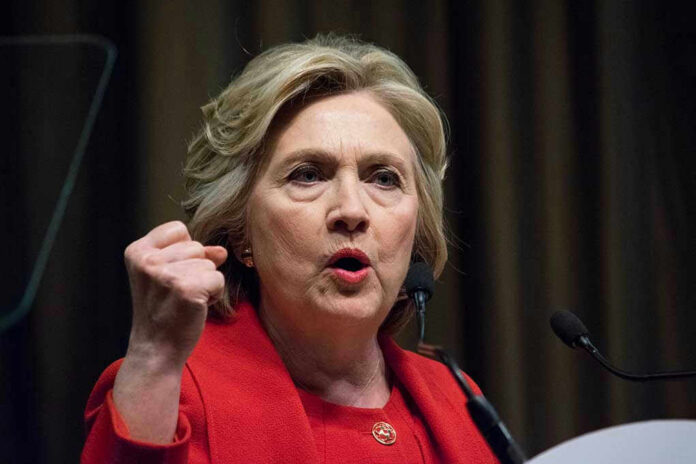
Hillary Clinton’s face twisted in visible frustration as Czech Deputy PM Petr Macinka calmly dismantled her progressive arguments on live TV, exposing raw transatlantic tensions.
Story Snapshot
- Clinton admits outright dislike for Trump during heated Munich Security Conference clash on February 14, 2026.
- Macinka challenges “woke revolution” on gender, climate, and Ukraine, telling Clinton “Don’t be nervous.”
- Exchange goes viral, highlighting divide between U.S. progressivism and European conservatism.
- Clinton defends women’s rights and Ukraine aid; Macinka urges dialogue over demonization.
- Event underscores Trump’s policy demands on European allies amid cultural fault lines.
Panel Clash at Munich Security Conference
Petr Macinka, Czech Deputy Prime Minister and Foreign Minister, confronted Hillary Clinton directly during the February 14, 2026, panel at the Munich Security Conference in Germany. The discussion started on U.S. immigration, where Clinton conceded the system had gone too far but pushed humane reforms with secure borders. Macinka pivoted to broader critiques of progressive excesses. He argued Trump’s rise stemmed from policies alienating ordinary people through cancel culture and woke overreach. Clinton fired back, confirming her disdain for Trump and his global impact. This raw exchange captivated global audiences, blending personal barbs with policy stakes.
Macinka’s Core Challenges to Progressive Orthodoxy
Macinka targeted the “woke revolution,” spotlighting gender identity debates, climate activism, and cultural shifts he saw as disconnected from everyday Europeans. He pressed Clinton on labeling opponents fascists or Nazis, noting those eras ended decades ago. Western leaders, he said, must cease treating ideological foes as public enemies and foster calmer dialogue. Trump’s demands on allies for defense spending reflected pushback against elite overreach. Macinka’s poised demeanor contrasted Clinton’s rising intensity, telling her plainly not to appear nervous. His stance aligns with common sense conservatism, prioritizing national sovereignty over ideological crusades.
Clinton countered sharply on Ukraine, questioning if gender concerns justified abandoning fighters defending freedom—and their “two genders.” She highlighted women’s rights, asking which gender deserved protection and noting half the population sought theirs. Her admission—”not only do I not like him, but I don’t like what he’s doing”—laid bare personal animosity toward Trump. Facts support Macinka’s view: unchecked progressivism has fueled populist reactions, validating conservative calls for balance over emotional rhetoric.
Ideological Fault Lines Exposed
The Munich forum, a key arena for security debates, amplified this clash amid transatlantic strains over immigration, Ukraine aid, and cultural wars. Clinton championed progressive values and Ukraine support; Macinka defended nationalist realism. Power dynamics favored Clinton’s diplomatic stature, yet Macinka’s Central European voice gained traction, reflecting Europe’s conservative shift. Viral clips dominated headlines by February 16, 2026, boosting discourse on Western alliance fractures. This mirrors broader realignments where ordinary citizens reject elite-driven agendas.
Short-term fallout includes heightened media buzz and reinforced Trump-Clinton divides. Long-term, it signals challenges to U.S.-Europe unity on progressive policies, potentially impacting Ukraine cooperation. Affected parties span diplomats, activists, and Ukraine itself. Macinka’s push for dialogue resonates with American conservative values emphasizing pragmatism and free speech over hypersensitivity.
Implications for Global Alliances
U.S.-European relations face tests as nationalist leaders like Macinka question progressive consensus. Trump’s administration pressures allies on defense, exploiting woke fatigue. Gender advocates clash with traditionalists, while Ukraine hangs in balance. The exchange exemplifies multilateral tensions: security cooperation strains under cultural divides. Conservative perspectives, grounded in protecting core freedoms, gain ground against overextended ideologies. Future panels may echo this, forcing leaders to bridge gaps or risk deeper rifts. Ordinary people, weary of extremes, watch closely for common-sense resolutions.
Sources:
Hillary Clinton Trump Munich Security Conference
The Joe Pags Show Hillary Clinton Gets in Heated Exchange with Czech Leader at Munich Securit