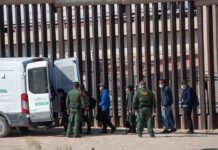
Minneapolis Mayor Jacob Frey’s recent statements against ICE raise serious concerns about the implications for federal authority and local safety.
Story Highlights
- Jacob Frey denies inciting violence against ICE but has made inflammatory statements.
- Frey’s rhetoric comes amid rising tensions following an ICE-related shooting.
- The city maintains a sanctuary stance, ignoring ICE detainers, escalating federal-local conflicts.
- Frey’s actions have sparked debates over sanctuary policies and federal enforcement.
Frey’s Rhetoric and the ICE Controversy
In a recent press conference, Minneapolis Mayor Jacob Frey denied inciting violence against ICE agents, despite making statements such as telling ICE to “get the f— out of Minneapolis.” This rhetoric follows a controversial incident where an ICE agent fatally shot a Venezuelan national during an immigration enforcement action. Frey’s comments have fueled debates over his leadership and the city’s sanctuary policies, which have refused cooperation with ICE detainers, resulting in the release of criminal noncitizens.
The tension between federal law enforcement and local leadership has intensified since President Trump’s policies prompted increased ICE deployments in Minnesota. Frey, alongside Governor Tim Walz, has consistently opposed these actions, arguing that they create chaos and endanger public safety. His latest remarks have been characterized by some as hypocritical, given the city’s historical reluctance to support federal immigration operations.
Sanctuary Policies Under Scrutiny
Minneapolis’s sanctuary-like policies have been a point of contention since Frey’s tenure began. These policies prioritize protecting immigrant communities over cooperating with federal immigration authorities. The city’s refusal to honor ICE detainers has led to significant backlash, particularly in light of recent violent incidents involving released individuals. Frey’s stance is seen as politically motivated, aiming to appease progressive constituents while drawing criticism from federal authorities who argue that public safety is compromised.
Frey’s approach contrasts with past statements emphasizing the need for accountability in criminal activities. His shift towards a broad anti-ICE mobilization, including litigation efforts to end ICE’s presence in Minneapolis, highlights the ongoing clash between local autonomy and federal enforcement mandates. This issue has not only affected local and state relationships but also brought national attention to the broader implications of sanctuary policies on public safety and immigration law.
Impact on Community and Law Enforcement
The ongoing conflict poses significant implications for both short-term and long-term scenarios. In the short term, the heightened tensions may lead to increased violence and public unrest, particularly as Frey warns of potential chaos if ICE operations persist. Long-term consequences could test the authority of sanctuary cities against federal mandates, influencing political landscapes and policies related to immigration enforcement.
The immigrant communities in Minneapolis face uncertainty and fear of raids, while families affected by crimes committed by released individuals, like the Harwell family, demand justice and accountability. The political dynamics surrounding these issues continue to polarize opinions, with Frey’s leadership under scrutiny for potentially endangering both residents and law enforcement officers.
Sources:
Fox News: Minneapolis Mayor Defends Sanctuary Stance
AllSides: Media Bias on Frey’s ICE Comments